

How to Plan a Trip to China (2026 Guide) — Visas, Itinerary, Safety & Costs
Planning a trip to China in 2026? This guide explains visas, safety, itinerary ideas, budgeting, and practical tips — written for first-time Western travelers.

This guide is part of Chinaoffbeat, a project created by travelers who love slow routes, human stories, and conversations that help you understand China beyond the obvious.
China isn’t difficult — it’s unfamiliar. The easiest way to enjoy your trip is to have one real conversation with someone who lives here. A single cultural insight from a local often replaces hours of Googling.
The Overview
China is welcoming travelers back in 2026 with modern infrastructure and diverse experiences waiting to be explored. From futuristic skylines to ancient villages, first-time visitors will find travel in China easier than ever, thanks to expanded visa-free entry and world-class transportation. In fact, a 2025 survey showed 72% of respondents planning a leisure trip to China in the next two years – and for good reason. High-speed trains, new e-visa systems, and a booming tourism industry make it simple to connect major sights with offbeat gems. Whether you’re walking on the Great Wall or sharing a meal in a remote village, China offers a blend of comfort and adventure that few destinations can match. This guide will walk you through the essentials – 10 key things to know, how to craft an itinerary mixing popular attractions and hidden spots, the must-have apps and tools for a smooth journey, an intro to cultural etiquette, some offbeat highlights to consider, and final preparation tips. By the end, you’ll be ready to plan a trip for 2026 that balances China’s iconic landmarks with authentic local experiences.

Build Your 2026 China Itinerary
China offers an overwhelming number of destinations – from famous historical sites to remote natural wonders. The key for a first-timer is to pick a balanced itinerary that hits a few iconic highlights but also gives you a taste of China’s regional diversity. Remember, most travelers say they want a mix of famous and hidden spots, so don’t be afraid to include an offbeat stop along with the big-name cities.
Option A: Start with the must-sees: Certain sights are practically synonymous with China and well worth the visit. Beijing, the capital, is the usual starting point with its rich history – here you can walk the ancient courtyards of the Forbidden City, stroll through the Temple of Heaven park, and take a day trip to the Great Wall (the Mutianyu or Jinshanling sections offer a great experience with fewer crowds than Badaling). Xi’an is another highlight for its famed Terracotta Army and the vibrant Muslim Quarter street food scene. If you’re interested in modern China, Shanghai dazzles with its skyline (the Bund waterfront and skyscrapers like Shanghai Tower) and colonial-era architecture, and it makes a good contrast to the historical cities. Nature lovers might have Guilin and Yangshuo on their list – the karst mountains and Li River are an iconic landscape often featured in paintings. And of course, Chengdu in Sichuan is popular for its panda sanctuaries and spicy cuisine. These are just a few of China’s top draws that can anchor your itinerary.

Option B: Include an offbeat experience: Since this is your first trip, you’ll likely focus on the famous places, but consider swapping one for a less touristy region if it matches your interests. For example, instead of Guilin (which is beautiful but popular), you might choose Yunnan province for equally stunning landscapes with fewer crowds. You could fly from Xi’an to Yunnan’s city of Lijiang or Kunming, then explore ancient towns and minority villages there (more on those in the Offbeat section below). Or, if you love modern cities but want something different than just Beijing/Shanghai, you could visit a secondary city like Chengdu (laid-back “panda city” with teahouse culture) or Hangzhou (famous for West Lake and tea plantations) as a contrast to the megacities. Another idea: split your time between an eastern city and a western adventure – for instance, do Beijing and Shanghai for urban highlights, then use a few extra days to hop to a place like Zhangjiajie in Hunan (the jagged mountain parks that inspired Avatar’s scenery) for nature. The possibilities are endless, but the guiding principle is to get a taste of both China’s imperial history/urban life and its ethnic or rural landscapes if you can. Many first-time travelers stick to the big cities and later wish they had seen some countryside, so plan a little variety if possible.

Practical Tools: Apps, Connectivity, and Language Aids
Traveling in China in 2026 is much smoother if you take advantage of the digital tools and services available. Here’s a toolkit of apps and tips to help you navigate daily life, stay connected, and overcome the language barrier:
WeChat (Messaging & Payments): If you only get one app for China, make it WeChat (微信 Weixin). It’s the do-everything app used by virtually everyone in China. You can send messages and voice notes, make voice/video calls, and easily stay in touch with tour guides or new friends you meet (QR code scanning to add contacts is common). WeChat also has a built-in WeChat Pay wallet – you can link a foreign card and use it to pay vendors by scanning their QR codes. Many tourist attractions also have official WeChat accounts or mini-programs with info – for example, you can sometimes book tickets or audio guides through WeChat mini-apps. Tip: Set your WeChat account up before you go (it’s easier with SMS verification from your home number), and familiarize yourself with adding a card to the wallet if you plan to use it for payments.
Alipay: Alipay is the other major mobile payment platform in China. It’s not necessary to have both WeChat Pay and Alipay, but some travelers like to have Alipay as well since a few places (like certain vending machines or street vendors) might only show an Alipay QR code. Like WeChat, Alipay now lets foreign visitors bind their Visa/MasterCard or use a prepaid Alipay Tour Pass. The interface has an English mode. If you plan to use taxis, shops, etc., having at least one of these payment apps set up will make your life much easier – you’ll blend in with locals who rarely use cash. Just always have a little cash as backup in case your phone dies or an older vendor doesn’t do digital.
Translation Apps: Overcoming the language gap is simpler with technology. Google Translate works in China if you have a VPN, but if not, download the offline Chinese pack in advance so it can function without internet. You can use the camera feature to live-translate menus or signs (though the translations may be clunky, you’ll get the gist). Microsoft Translator is another that works offline. There’s also Baidu Translate, which is made by a Chinese company and might have slightly better accuracy for Chinese-specific phrases (it has an English interface). Pleco is a highly-regarded Chinese-English dictionary app – great if you want to type or draw Chinese characters to see meaning (useful for deeper travelers or if you’re studying Chinese). Pleco can also use your camera to read text and give dictionary results. Whichever you choose, test them out so you know how to switch languages and voice input. These apps will be your savior when asking for directions or figuring out what you just ordered at a restaurant!
Maps and Navigation: As mentioned earlier, Google Maps is blocked on cellular data in China (works on Wi-Fi sometimes), so don’t count on it unless you run a VPN. Instead, consider alternatives:
Apple Maps – generally works fine in China without a VPN and has a decent amount of English labels for major places. It can show your GPS location and driving/public transit directions in cities.
Baidu Maps (百度地图) or Gaode/Amap (高德地图) – these are the popular Chinese map apps. They have more detailed local data (bus routes, small restaurants, etc.), but are in Chinese. If you can’t read Chinese, they’re hard to use, but some travelers get by by memorizing key characters or using the translate feature on another device. There is an English beta version of Amap that some have used.
Maps.me – an offline maps app. Download the China maps before your trip. It won’t have everything, but it’s useful for basic orientation and doesn’t require the internet.
City metro apps – e.g., “Metro Beijing” or “Shanghai Metro” apps have English and can route your subway trips offline. Not essential, but could be handy if you plan extensive subway use.
Old-school tip: Carry a business card of your hotel or at least take a photo of it so you can show a taxi driver or passerby. Sometimes, a paper backup beats digital when your phone battery is dead or if you can’t quite communicate where you need to go.
Transportation & Booking:
Trip.com (Ctrip) – this is a one-stop app/website for booking trains, flights, and hotels in English. Highly recommended for booking high-speed train tickets: you can purchase in advance and use your passport to pick up the paper tickets at the station or some stations now support e-ticket with just your passport. Trip.com charges a small fee but is very foreigner-friendly. Alternatively, the official 12306 China Railway app now has an English version, but the interface can still be clunky for non-Chinese users.
DiDi 滴滴出行– China’s equivalent of Uber. Download the DiDi app (there is an English version available in app stores) and set it up with your phone number. You can use DiDi to call cars in most cities – much easier than hailing on the street sometimes, and you can input your destination in English and it will translate for the driver. DiDi accepts international credit cards or Apple Pay for payment. It also has options like “DiDi Taxi” (to get a regular city cab through the app) or “Express/Private” cars.
Other transit apps: For intercity buses, there isn’t a dominant English app, but most routes you’d need have a train or flight alternative. For urban transit, besides metro apps, MoBike or Hello Bike are bicycle-sharing apps if you’d like to cycle (you might need Alipay/WeChat to unlock bikes though).
Staying Connected (SIM/eSIM and VPN): We touched on this in the “things to know” but to reiterate tools:
VPN apps: Some well-known VPN services have mobile apps that work in China (ExpressVPN, NordVPN, etc.). Install and test them before your trip. Keep in mind that VPNs can sometimes be sluggish on mobile data, but they are improving. It’s wise to have at least one VPN app if you need consistent access to Gmail, WhatsApp, Western news, etc. Have a second one as backup (some people install two different VPNs in case one has issues).
eSIM providers: If your phone supports eSIM, you can buy an eSIM plan from vendors like Airalo, Holafly, or China Unicom’s own packages. This lets you activate a data plan without swapping physical SIM cards. It’s very convenient – you could land in China and already have data if you activate the eSIM beforehand (they will email you a QR code to scan in your phone settings). Make sure the eSIM specifically says it works in mainland China and check the data limits. Check out our post about setting up your VPN to access all the necessities

10 Things to Know Before Planning Your First Trip to China in 2026
Before you dive into detailed planning, keep these ten practical insights in mind:
Visa and Entry Requirements: Check the latest visa rules for your nationality. China has extended visa-free entry to dozens of countries through 2026, allowing up to 30 days of travel without a visa for eligible passports. If you’re from the US, Canada, or other countries not on the visa-free list, you’ll need to apply for a tourist visa in advance. Start the process early (at least a month ahead) and ensure your passport has 6+ months’ validity. (Tip: If you qualify for a transit visa exemption – like the 144-hour or new 240-hour transit program – you might visit certain cities without a visa, but strict conditions apply.)
Best Time to Travel (Seasons & Holidays): China’s climate is vast and varied. Plan your trip around the seasons – spring (April–May) and autumn (Sept–Oct) generally offer mild weather across much of the country. Summer can be hot and humid (great for mountain and lake regions, but sweltering in cities), while winter brings cold temps in the north (Beijing can freeze, but offers ice festivals up north). Importantly, be mindful of major holidays: Chinese New Year (late Jan/Feb, dates vary) and Golden Week (around October 1st) see hundreds of millions of people traveling domestically, leading to crowded sites and sold-out tickets. Unless you’re keen to experience the festivities, it’s wise to avoid those peak periods. If you do travel during a holiday, book transport and hotels well in advance and brace for crowds.

Geography and Distances: China is huge – roughly the size of the United States or Europe – so don’t try to “see it all” in one go. Plan your itinerary by regions to minimize backtracking. For example, Beijing and Xi’an are in the north/central area, while Shanghai, Hangzhou, and Guilin are farther south. Thankfully, China’s transportation network is extremely efficient. High-speed trains link most major cities at up to 350 km/h (220 mph), and dozens of airports offer frequent flights. A journey like Beijing to Shanghai takes ~4.5 hours by bullet train instead of an overnight slow train. Use this network to your advantage: it’s often more convenient to take a fast train between cities than to fly (city-center stations, less security hassle). Within cities, metros are widespread and signage is usually in English. Planning realistic distances will make your trip smoother and avoid exhausting, non-stop transit.

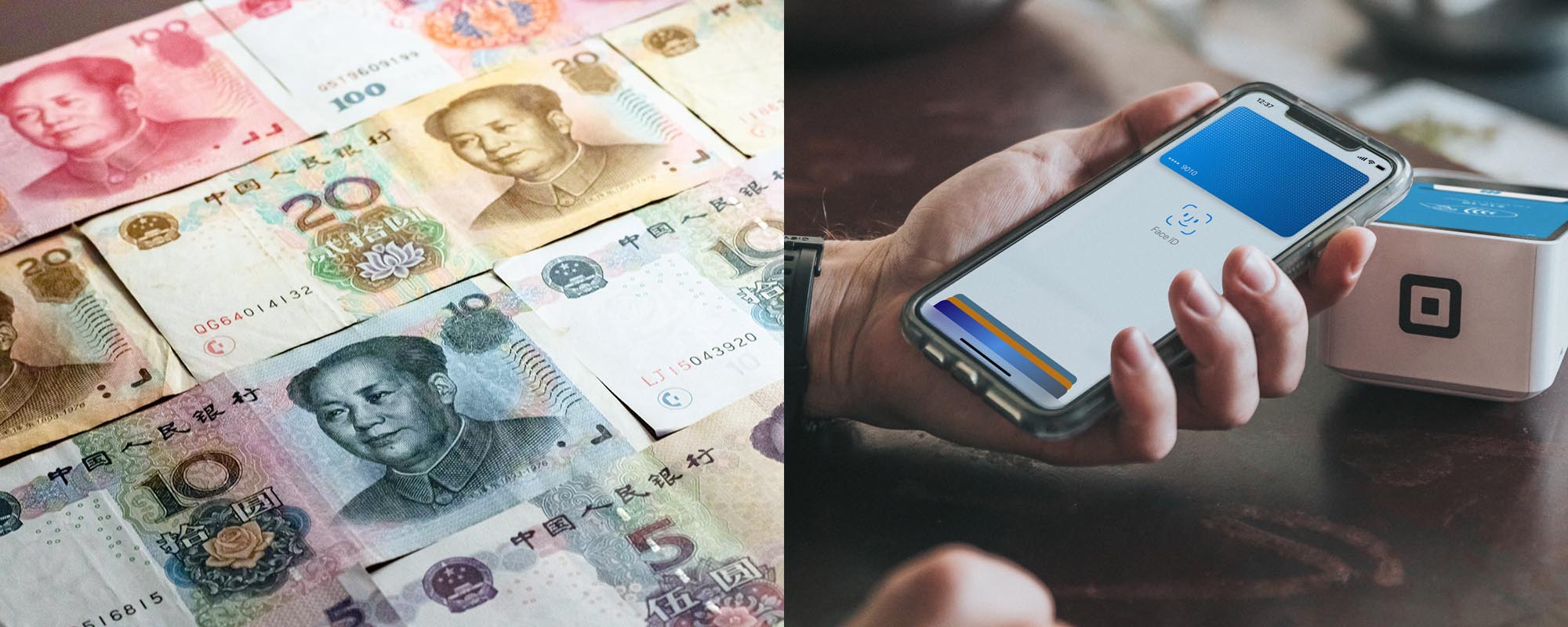
Money and Payments: The Chinese currency is the RMB (yuan). Credit cards are accepted at upscale hotels and touristy shops, but cashless payment via mobile is the norm even for a $2 bowl of noodles. The good news for travelers is that as of 2023–2024, foreigners can easily use Alipay or WeChat Pay by linking an international bank card. It’s absolutely worth setting up one of these apps before or upon arrival, so you can scan QR codes to pay for taxis, meals, and shopping like locals do. Carry some cash as backup, especially in smaller towns or for street markets – ATMs in cities accept foreign cards (look for UnionPay, Visa, or MasterCard logos). Tipping is not customary in China (apart from maybe tour guides or bellhops if you wish), so don’t be surprised if a taxi driver or restaurant staff refuses a tip. Prices are often lower than in Western countries for food and local transport, but major cities can be as pricey as anywhere for hotels or fine dining. Overall, plan a budget and use mobile payments for convenience, keeping a few ¥100 bills handy for cash-only spots.
Staying Connected (Phone & Internet): Having internet access is extremely useful in China for maps, translation, and ride-hailing. You have a few options: buy a local SIM card or eSIM (many airports have kiosks for tourist SIMs, or you can purchase an eSIM online before departure). These give you a Chinese number and data package – note you’ll need your passport for SIM registration due to local regulations. Ensure your phone is unlocked for foreign SIMs. Wi-Fi is common in hotels and cafes, but often requires a Chinese phone number to receive a login SMS, so having your own data is easier. Important: China’s “Great Firewall” blocks Google, Facebook/Instagram, WhatsApp, YouTube, and many other Western services. If you need these, install a VPN on your phone and laptop before you arrive (VPN apps may be hard to download once you’re in China). Some travelers instead use alternatives: e.g., use Bing instead of Google, or rely on Apple Maps (which works in China) instead of Google Maps. Decide your strategy beforehand so you’re not caught offline. With a bit of prep, you can be just as connected in China as back home.
Language and Communication: Mandarin Chinese is the official language, and dozens of other languages and dialects are spoken across regions. English is not widely spoken once you step outside international hotels or tourist-centric areas. Don’t let that intimidate you – people are generally friendly and will try to help, but you should be prepared to bridge the gap. Download a good translation app (Google Translate has offline Mandarin packs; Baidu Translate or iTranslate are also options). You can type or voice record English and show the Chinese translation to locals. Learn a few key phrases like “hello” (ni hao 你好), “thank you” (xie xie 谢谢), and “how much?” (duoshao qian 多少钱). Having addresses or hotel names written in Chinese characters (ask your hotel to give you a card) is extremely useful, especially for taxi drivers. If you get lost, younger folks are more likely to know some English – don’t hesitate to politely ask a student-aged person. Non-verbal communication works too: point at what you want on menus, use fingers for numbers (note that Chinese number gestures for 6 and above are different – e.g., a thumb-and-pinky “hang loose” sign means 6). Embrace the language barrier as part of the adventure; with translation tools and patience, you’ll manage just fine.

Essential Apps and Websites: China has a whole ecosystem of apps to make travel easier (see the Practical Tools section later for details). In short, prepare to use a few key ones. WeChat is the super-app used for everything: messaging, paying, scanning QR info codes at museums, and keeping in touch (it has an interface in English – set it up and add contacts you meet). Trip.com (Ctrip) is excellent for booking trains, domestic flights, and hotels with an English interface and accepting foreign credit cards. DiDi Chuxing is the ride-hailing app (like Uber); it now has an English version for foreign users – very handy for getting taxis without language issues. Baidu Maps or Gaode (Amap) can be useful for navigation if you read some Chinese, but if not, map solutions like Apple Maps or Maps.me with offline downloads can get you by for major sites (just remember these might not show walking directions as precisely due to GPS offset issues in China). Metro apps for big cities (Beijing, Shanghai) can help route subway trips, though Google Maps (with VPN) or simply station maps might suffice since signage is bilingual. The bottom line: install and familiarize yourself with Chinese travel apps beforehand – they will significantly smooth your journey.
Accommodation Tips: You’ll find everything from $10 hostel beds to ultra-luxe hotel towers in China. International chains (Hilton, Marriott, etc.) are plentiful in big cities, and boutique and local hotels can be a great value. A crucial tip: not all hotels in China are licensed to host foreign guests due to local registration rules. When browsing on booking sites, use filters or read descriptions to ensure the hotel allows foreigners – most mid-range and upscale places do, but some small budget inns or homestays might not. It’s best to book at least your first night or two in each city in advance, so you have an address to give immigration on arrival and a guaranteed place to stay. Hotels will scan your passport at check-in (police registration), which is a normal procedure. In smaller towns, consider guesthouses or family-run inns for a more authentic experience – just confirm about foreign guests. Another tip: Chinese beds can be firmer than you might expect; if you prefer soft bedding, check reviews or choose higher-end spots. Overall, accommodation quality in China is high, and even budget hotels are usually clean and well-equipped (often with kettles, slippers, and toiletries provided).
Health & Hygiene: China is generally a safe place health-wise, but a few precautions will keep you comfortable. Tap water is not potable – always drink bottled or boiled water (your hotel will often provide free bottled water daily). It’s fine to brush your teeth with tap water in big cities, just avoid swallowing it. Public toilets are common in cities (sometimes very basic in rural areas), but many public restrooms are squat-style (porcelain hole in the floor) rather than Western sit toilets. Carry tissues and hand sanitizer, as toilet paper and soap aren’t always provided in public washrooms. You may also want to carry a small pack of wet wipes. For long train rides, have toilet paper handy. Air quality can be an issue in some northern cities – check the AQI index; on high pollution days, wearing an N95 mask is wise if you have sensitivity. Pack any personal medications you need (with copies of prescriptions). No special vaccines are required for general travel, but it’s good to be up to date on routine shots. Finally, Chinese pharmacies are well-stocked if you need medicine; however, the labels will be in Chinese, so using a translation app or asking a pharmacist (show them the problem via translation) helps. Basic first-aid (band-aids, etc.) and perhaps motion sickness pills (if you’ll do winding mountain roads) could be useful additions to your packing list.
Safety and Travel Documents: Overall, China is a very safe country for travelers in terms of crime – violent crime is extremely rare and street crime is limited to the occasional pickpocketing in crowded areas. You’ll likely feel safe walking cities at night. Still, use common sense: keep your valuables secure, especially in busy markets or transit hubs. Be aware of a few common scams targeting tourists – for example, in Beijing around Tiananmen or Wangfujing, a friendly English-speaking local might invite you to a “tea ceremony” or art gallery that ends with an exorbitant bill (the infamous tea house scam). Politely decline unexpected invitations from strangers offering special services. Only use official taxis or ride-hailing – in airports, ignore touts and go to the taxi line or use DiDi. When paying by cash, double-check change. Also, have travel insurance that covers medical care and trip interruptions – it’s a safety net in case of illness or emergencies. Finally, carry your passport with you (hotels will register you, but you should also have ID on you for train travel and occasional random checks). It’s smart to have a digital copy of your passport and visa stored safely as well. By staying vigilant but not paranoid, you’ll find China extremely welcoming and secure for travelers.
Related blog posts

How to Find Authentic Restaurants in China: A Practical Guide for Travelers
From download to booking: step-by-step instructions for using Dianping (大众点评) to pick the right city, switch to English, filter by cuisine and ratings to eat where locals actually go.

Best Museums to Visit in China — Updated 2025
Six must-visit city museums for history lovers — National Museum of China, Shaanxi, Henan, Nanjing, Hubei & Shanghai (highlights, tickets, what to see)