

Teochew (Chaoshan) Seafood Culture Explained: Why Fish Is a Daily Staple, Not a Luxury
Fish rice explained: what it really is, which fish to try, and how locals eat it

This guide is part of Chinaoffbeat, a project created by travelers who love slow routes, human stories, and conversations that help you understand China beyond the obvious.
From market to bowl: fish rice is not “fish on rice”
In Chaoshan, “fish rice” isn’t a lazy fish fillet slapped onto plain rice. It’s a working-day dish: fresh near-shore fish gently poached or steamed, cooled, sliced and served cold or slightly warm—practical, direct, and local. The common huaxian (花仙) fish is cheap and plentiful here; its firm flesh and few bones make it a staple at markets, breakfast stalls, and after-hours shops. Presented with minimal fuss, the fish is meant to show off its own flavor — that’s the point.
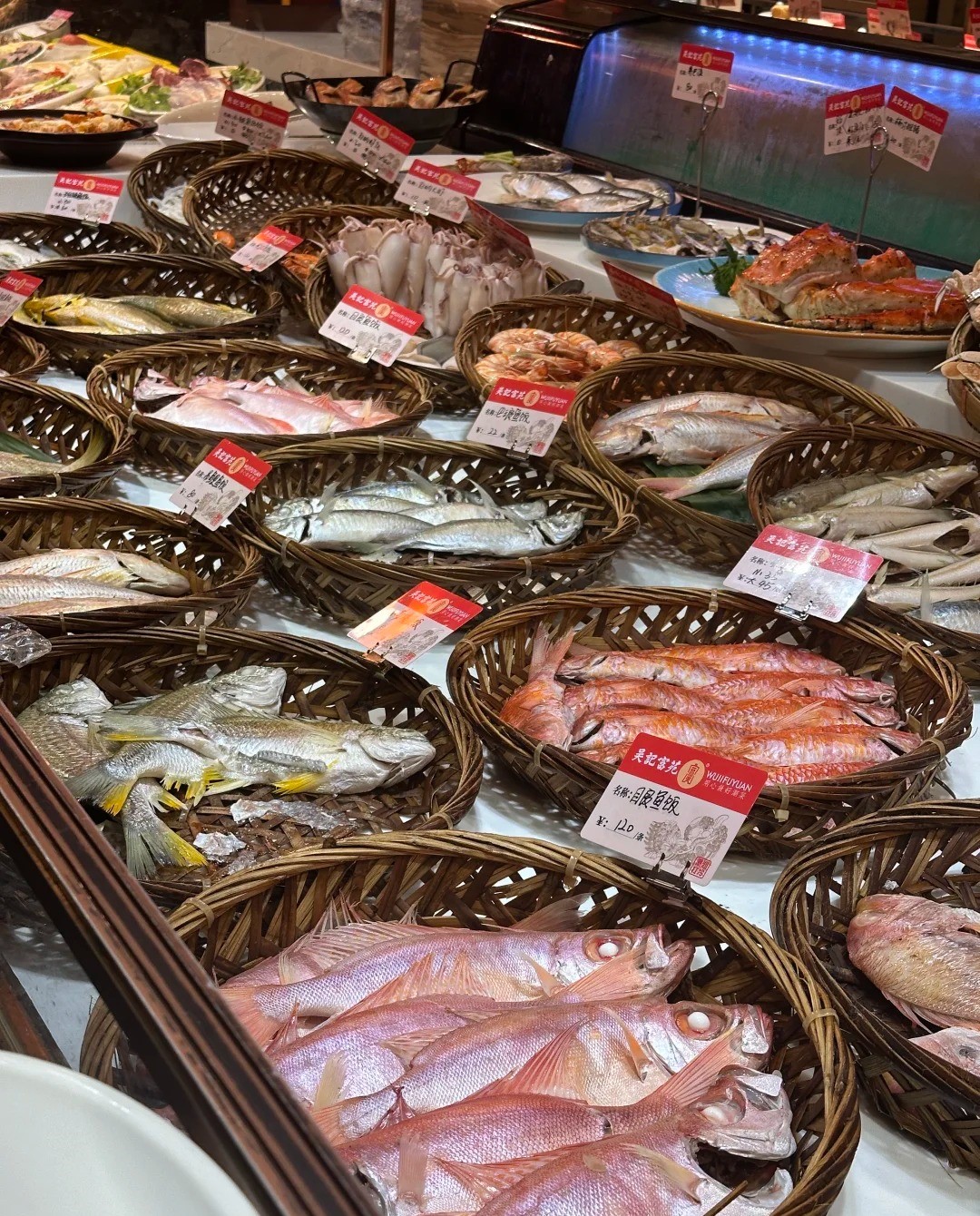
The pot and the pour: how the technique matters
The technique is deceptively simple but exacting. Traditionally, a big pot is salted (roughly a ten-to-one water-to-salt idea), fish are arranged in a basket, plunged into boiling broth, and watched closely. Cooks watch the eye, press the flesh for springiness — when the eye bulges and the flesh feels right, the fish comes out. It’s then ladled with the cooking broth to wash off foam and keep the surface glossy, and inclined so excess broth drains away. At home, the shortcut is a light salt rub, a steam for ten minutes and a three-minute rest; ginger is tucked into the cavity to perfume the meat. The point isn’t heavy sauces: it’s timing.
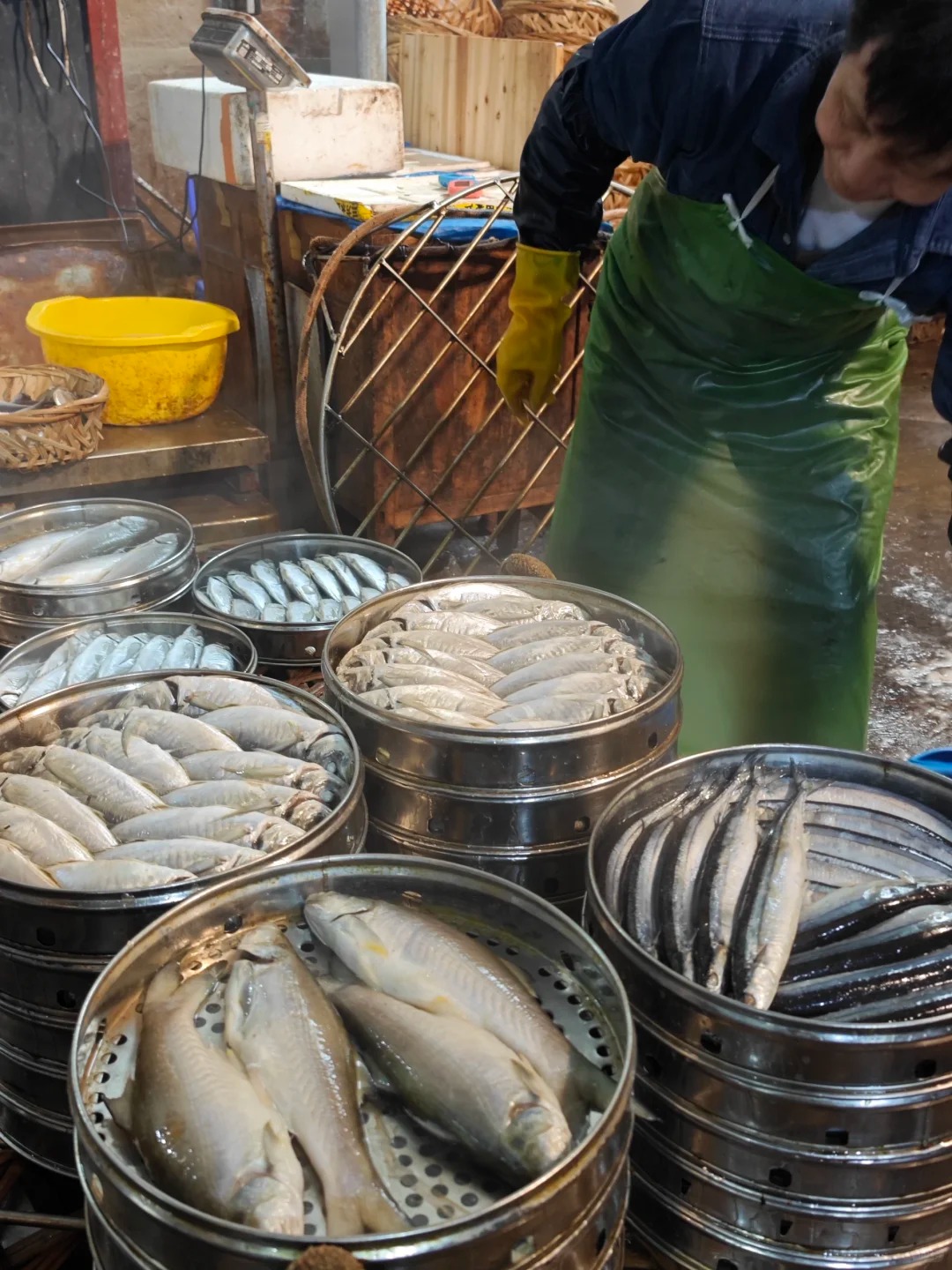
Three fish, three personalities: wusun, balang and huángjiǎolì
On this trip I kept to a few representative fish and was surprised by how different they are. Locals love wusun (午笋) for its fattier, more yielding flesh — a lunchtime favorite at some congee shops and seafood stalls. Balang (巴浪), usually wild and cheap, is the “lean athlete”: firm, almost dry, with little oil, and very honest in flavor. Huangjiaoli (黄脚立) is the indulgent option — tender, silky, and richer; at higher-end stalls it can fetch a premium because chefs will treat the skin and surface to release extra aroma and mouthfeel. Bottom line: the same cooking method sings in different keys depending on the fish and the cook.
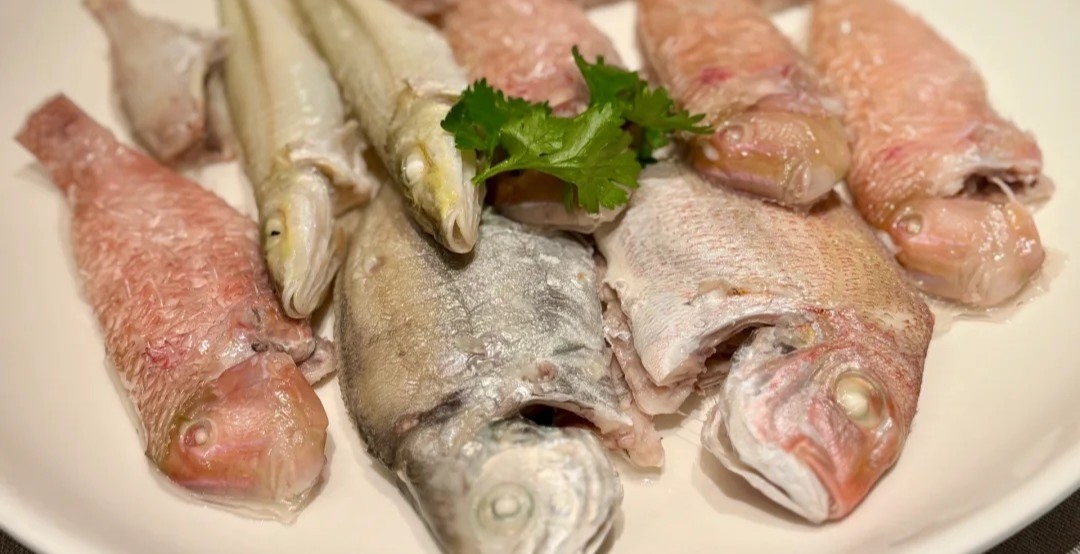
How to eat it: soup first, fish next, sauce with care
There is an order here. Start with a sip of the clear broth to understand the base; then taste rice with a piece of fish; finish or punctuate with condiments. Puning bean paste (普宁豆酱) is the usual accompaniment, but be cautious: the fish has already been salted, and dunking it in a salty paste can overwhelm the subtlety. If you prefer a touch of lift, ask for scallion oil or a small citrusy dip on the side. Also note the local habit called “da-leng” (打冷): chilled or room-temperature seafood served as small cold dishes alongside hot food — a rhythm of warm and cold on the table.

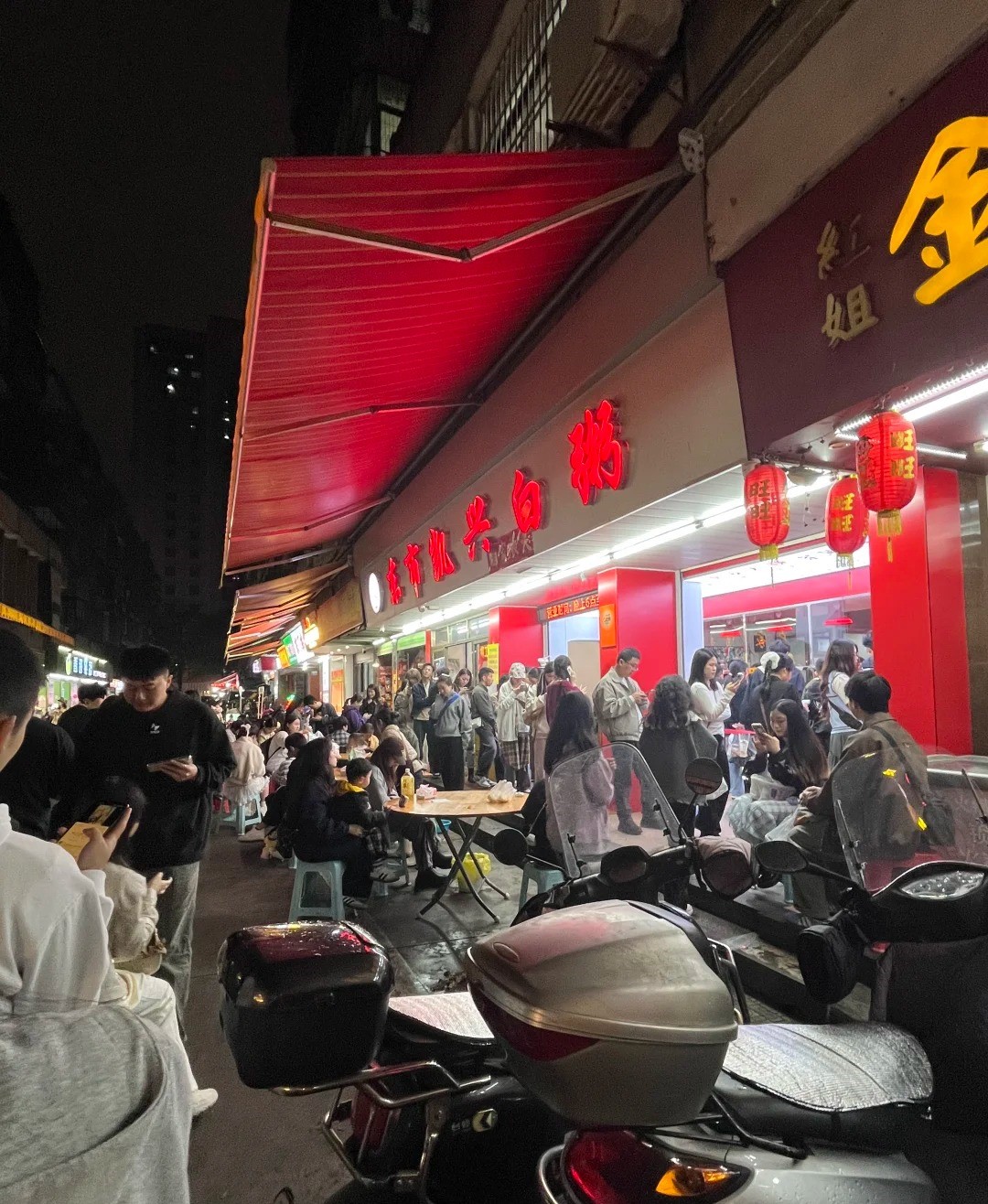
Good stalls have queues
Chaoshan’s flavor stability isn’t accidental. It comes from a tight local supply chain — fishermen, night butchers, family stalls, and regular restaurant buyers. You’ll see chefs at stalls picking up stock for their own kitchens; you’ll see morning auctions and late-night runs. That continuity is why a fish from one stall at one hour can taste markedly different from the “same” fish at another. Reputation is earned at the dock and kept at the stove.
Related blog posts

Chaoshan Food Guide: Why Locals Eat Fish Like Rice & What to Try
A precision-first cuisine of clear broths, thin cuts, and living markets — how Teochew food culture runs on family craft, midnight markets, and small kitchens

Zhanjiang—The Sea Teaches Minimalism|Southern Chinese Cuisine
Zhanjiang Cantonese food guide|White-cut chicken, oysters, and galou rice—the Leizhou Peninsula’s everyday art of minimalist seafood