

Chaoshan Food Guide: Why Locals Eat Fish Like Rice & What to Try
A precision-first cuisine of clear broths, thin cuts, and living markets — how Teochew food culture runs on family craft, midnight markets, and small kitchens

This guide is part of Chinaoffbeat, a project created by travelers who love slow routes, human stories, and conversations that help you understand China beyond the obvious.
Midnight Rice Noodles and a Suddenly Fresh Pig
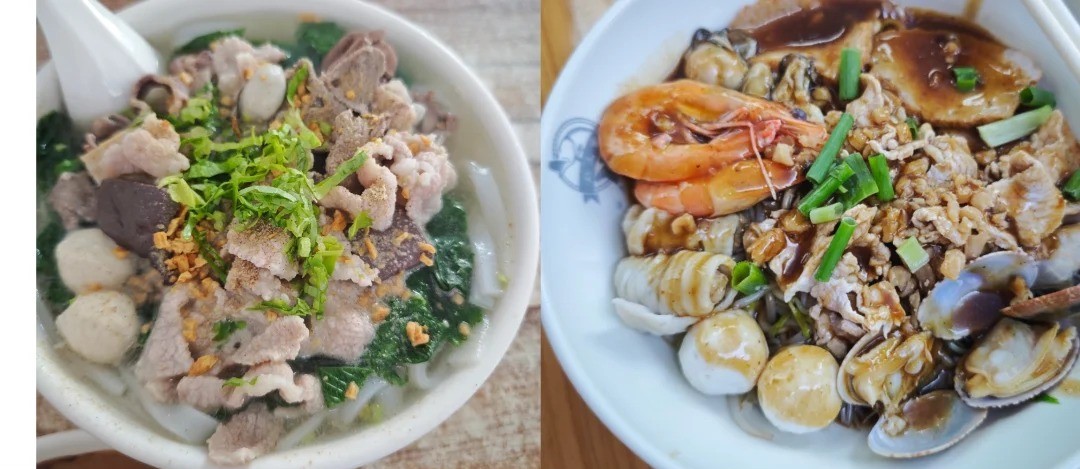
You don’t understand Chaoshan until you eat something at one a.m. People line up for the white-cheng kway noodle at a stall that opens when the nearby slaughterhouse still has steam in it. Someone in the queue will buy a pig kidney, have it blanched and handed back, and you’ll taste—surprisingly—no gamey after-note, just pure warmth and texture. That first odd, bright mouthful is the thesis: freshness and timing matter more here than sauces and theatrics.
Minimalism as Mastery
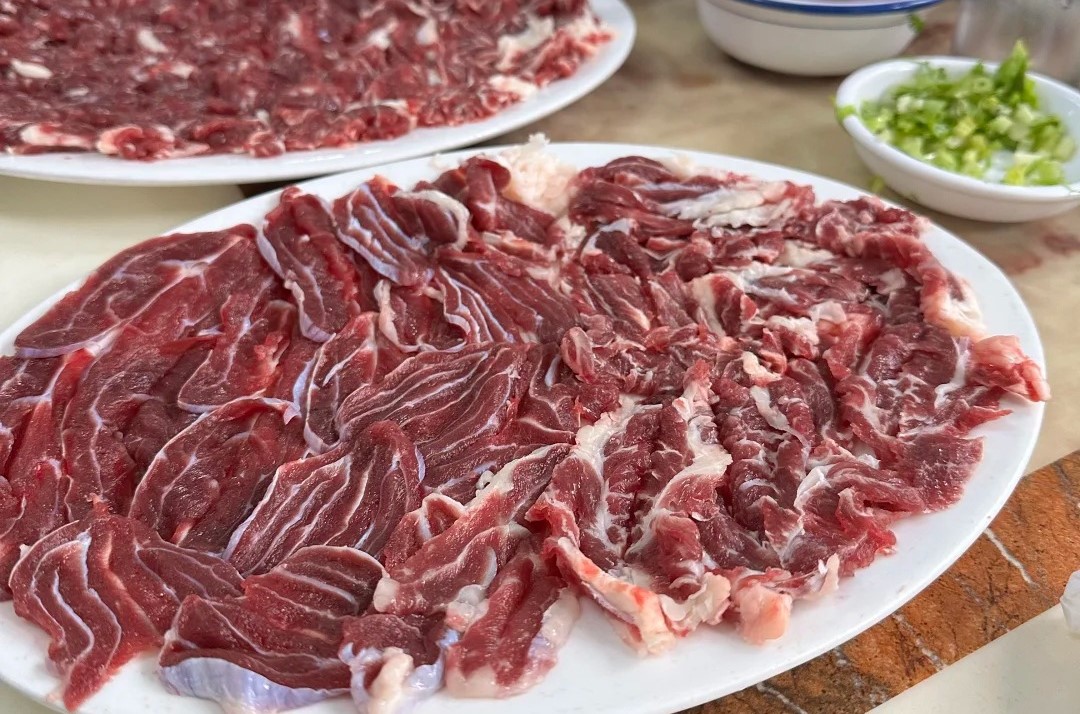
At the center of Teochew cooking is a paradox foreigners like: food that looks simple but is technically exacting. Take the Chaoshan beef hotpot — not a showy, all-day broth but a clear pot where cut thickness, order, and heat are rules. The thin slice of a particular muscle, the fraction of a minute it spends in the simmer, the way the cook times a collagen-rich tendon so it’s tender but not falling apart—this is craft. The same logic governs fish balls from Dahao, where fish is selected, pounded, salted and aerated in stages until the texture is springy and unmistakably local. These are small, precise moves that add up to a big, unmistakable identity.
Markets, Families, and the Slow Economy
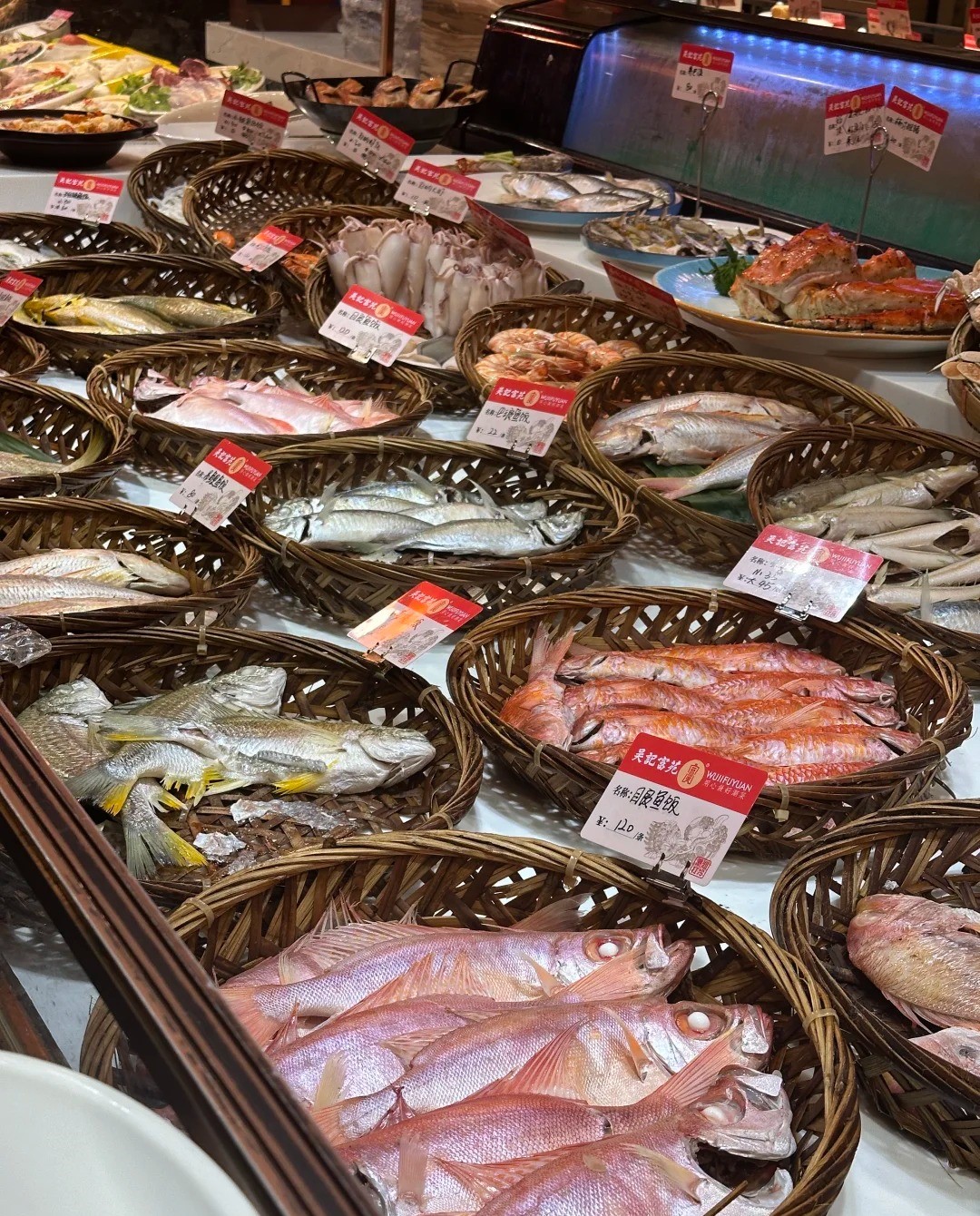
Chaoshan’s food economy isn’t built on big factories but on thousands of family shops and micro-workshops. The city runs on hand-offs: fishermen, stall owners, night butchers, marinade-makers. That network creates a stable supply of very specific ingredients—fresh oysters from local coves, rice milled to a known chewiness, the exact cut of pork used for red-peat glutinous cakes. You see the result in places like Shuangsheng Not-So-Sleepy Congee, where crowds pay a premium for consistency; or Wah Daxia, a small seaside grill you book for its timing and technique rather than its decor. The “slow” in slow food here is social: decades-long recipes, apprenticeships passed among relatives, and a market logic that prizes reputation over scale.

How to Order Like a Local
If you want the cleanest impression: start with a clear broth. For hotpot, pick one lean cut, one fatty cut and one textured piece (tendon or tripe); ask the cook for “half-and-half” if you’re sharing. Sand-chef sauces (shacha) are an additive, not a cover-up—think of them as a final polish, not the main event. Try the hidden menu at Shuangsheng (tomato + beef brisket over rice noodles) or the delicate desserts at Jide Sweet Soup — they show the range from savory precision to comforting sugar craft. Small rule-of-thumb: treat raw-marinated shrimp dishes as a side rather than a solo meal; they’re intensely flavored and meant to punctuate.
Related blog posts

Zhanjiang—The Sea Teaches Minimalism|Southern Chinese Cuisine
Zhanjiang Cantonese food guide|White-cut chicken, oysters, and galou rice—the Leizhou Peninsula’s everyday art of minimalist seafood