

Zhanjiang—The Sea Teaches Minimalism|Southern Chinese Cuisine
Zhanjiang Cantonese food guide|White-cut chicken, oysters, and galou rice—the Leizhou Peninsula’s everyday art of minimalist seafood

This guide is part of Chinaoffbeat, a project created by travelers who love slow routes, human stories, and conversations that help you understand China beyond the obvious.
Sea Salt, Minerals, and a Quiet Sweetness
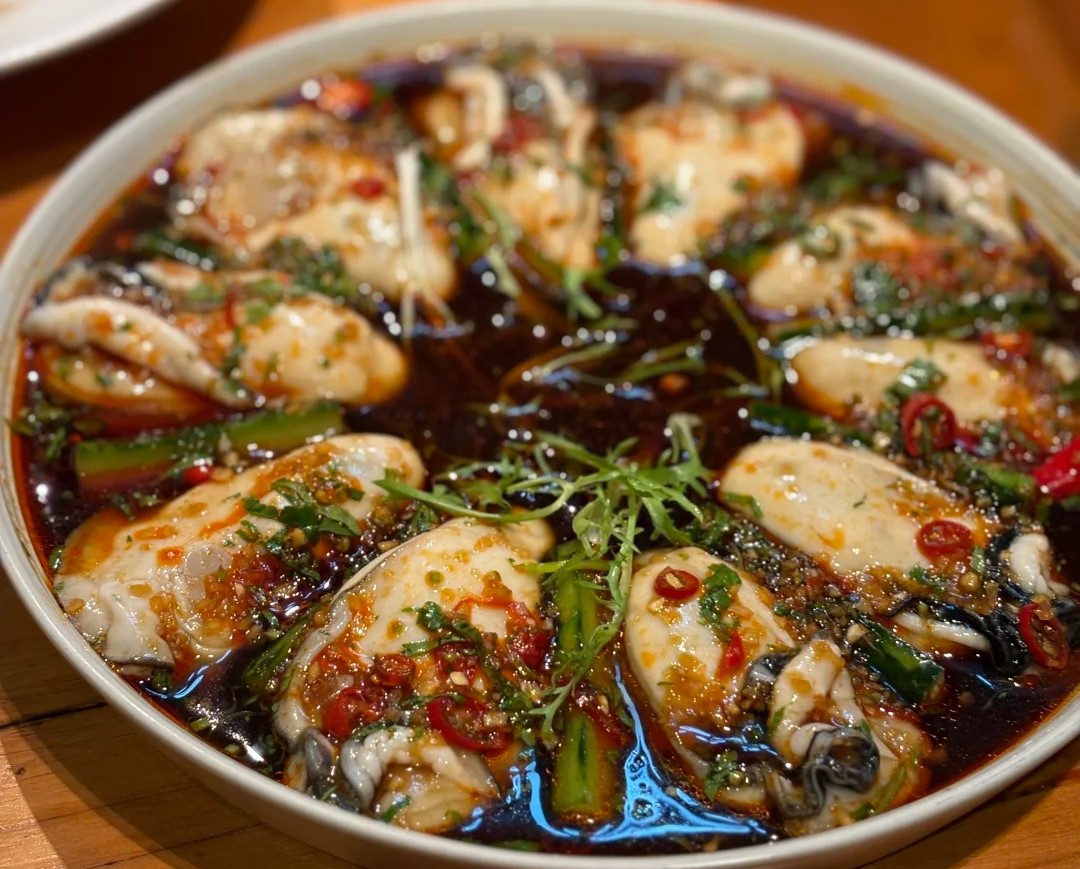
Three sides face the sea; more than a thousand kilometers of coastline breathe straight into the kitchen. Volcanic soils enrich the flats, so Zhanjiang oysters grow large and clean. Steamed, poached, or kissed by charcoal, they need little more than scallion, ginger, and a dash of soy—the sea’s own sweetness does the talking. The same restraint shapes steamed flower crab, stir-fried octopus with sand ginger, and vermicelli clams: do less, let flavor arrive.
Galou Rice, the Household Scent
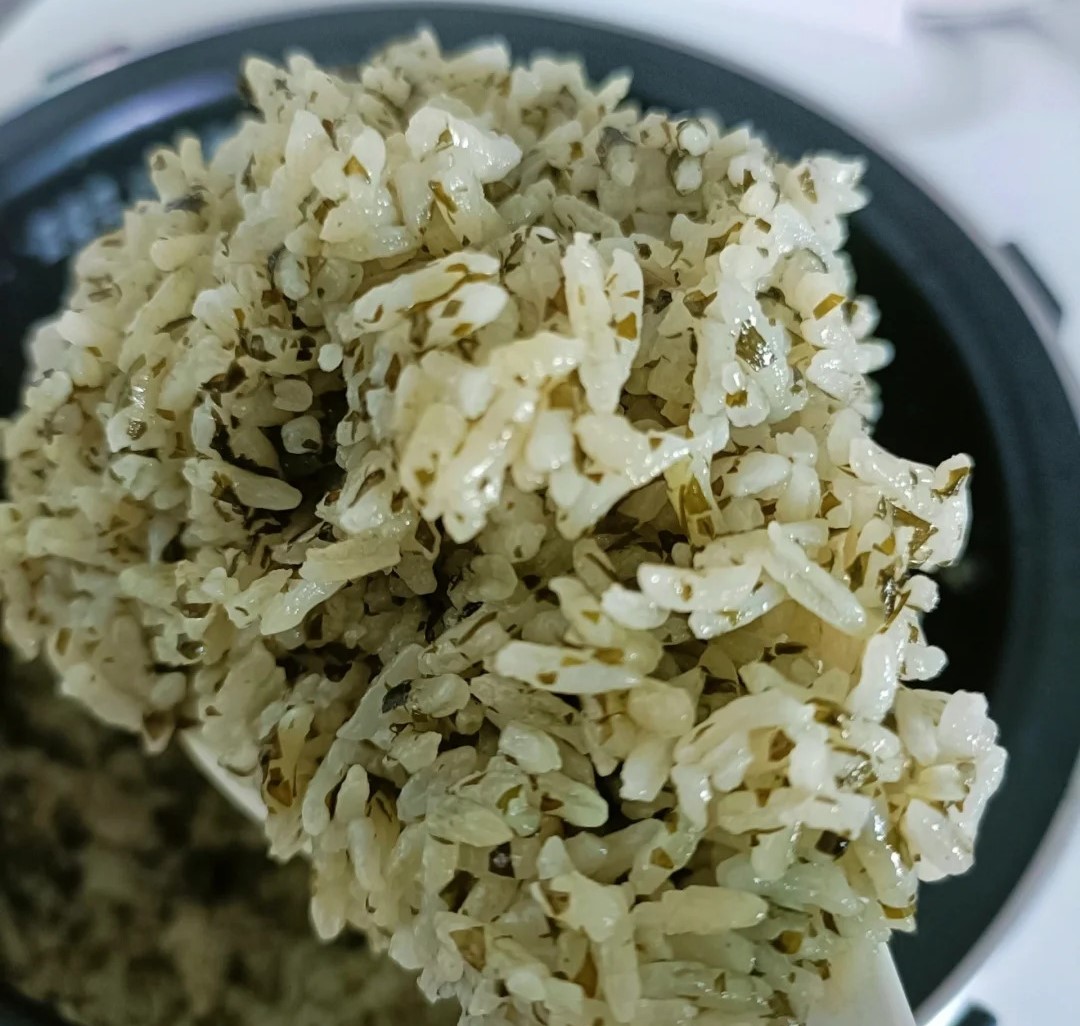
Nothing says home like galou rice. Wild pepper leaves are sliced and scented in chicken or pork fat, then simmered with pre-oiled rice until a light, peppery fragrance lifts from the pot. On festival days, pork-belly zongzi wrapped in galou leaves carry the same leaf-green aroma—salt, oil, and grain layered into a calm, steady comfort.
The Daily Trio: Chicken, Oysters, Offal
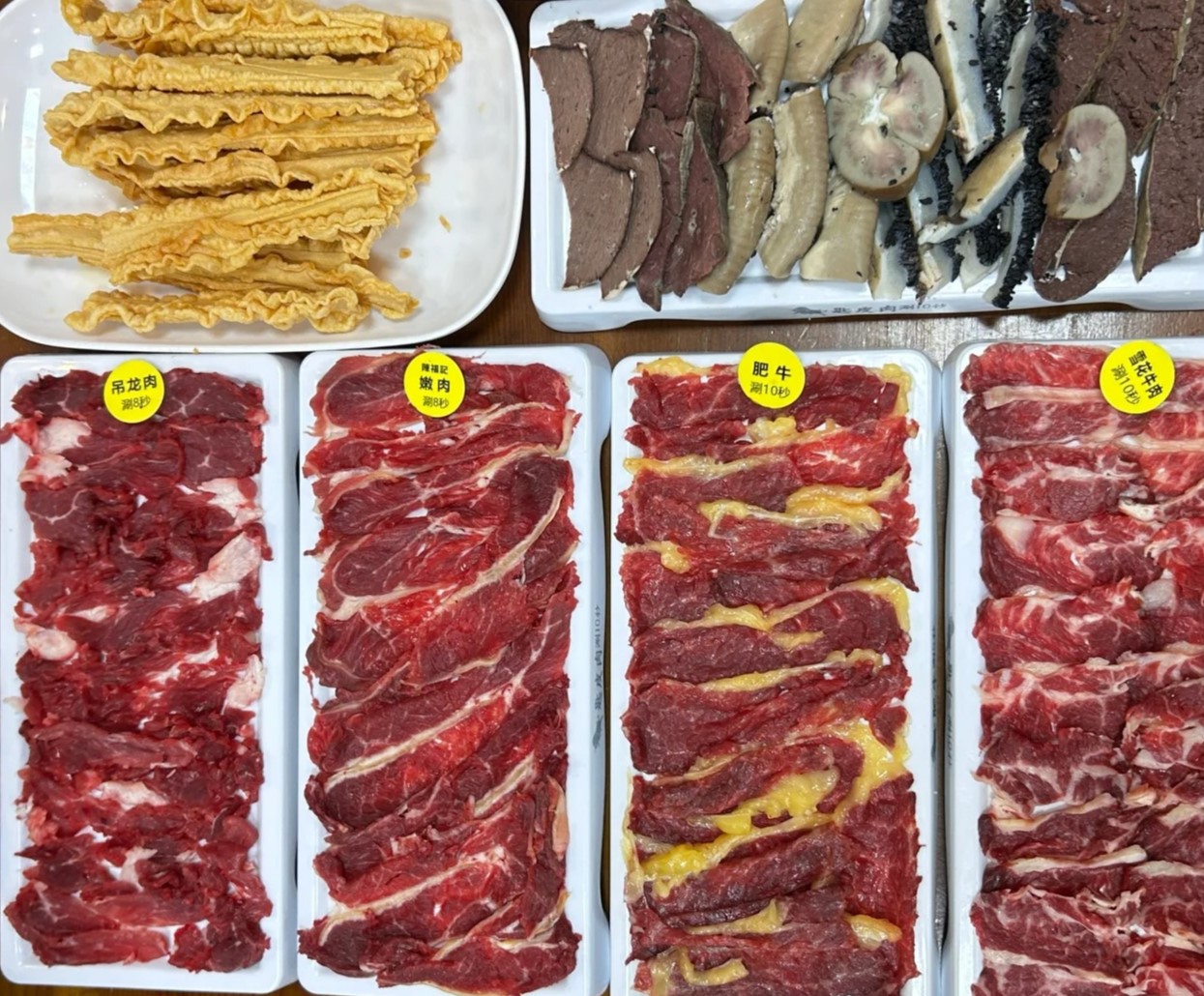
Zhanjiang chicken is tender by birthright: a classic white-cut, low-temp poach, an ice bath to tighten the skin, and sand-ginger soy to wake it up. Zhanjiang oysters, as above, win by place rather than technique. And at the docks, offal pots and skewers keep the city warm—heart, tripe, and brisket nudged over coals, finished with a house sauce that keeps the beef’s sweetness intact and adds a measured wild edge.
Look closer and the taste is a meeting point. Migrations from the north blended with Baiyue customs; trade with the Red River delta pressed southward into daily life. Wheat met shrimp and became golden shrimp fritters; rice rolls learned to carry the sea. In sweets and snacks, wood-leaf dumplings and Leizhou baiba keep a local habit of sweet–savory in one bite—peanut and dried shrimp beside coconut and sesame. The city keeps experimenting without noise: a spoon of shacha (satay) sauce in offal for layered depth; a hint of coconut in rice-roll batter for a softer finish. Some older, more controversial foodways now mostly remain as memory and debate.
Walk the French-style arcades and you feel another wind: cafés next to seafood stalls, bars beside congee shops. Port logic bred an open, take-and-adapt temperament, and the food follows suit—traditional at heart, curious at the edges.
A city’s soul isn’t in its towers; it’s in harbor lights and ordinary tables. In Zhanjiang, you learn one simple thing: give good ingredients to heat and time, and let the sea finish the rest.
Related blog posts

Foguang Temple |A shed of light from the Tang Dynasty le
Shanxi itinerary |A First-Batch National Treasure and Tang-Dynasty Wooden Masterpiece—rare statue layout, timeless structure, and a crowd-free heritage route linked to Wutai Mountain and Nanchan Temple