

Guge Kingdom — Lost Kingdom of Western Tibet
Guge (Tholing & Tsaparang) — origins, legends, murals and practical visiting guide for Ngari, Tibet, China

This guide is part of Chinaoffbeat, a project created by travelers who love slow routes, human stories, and conversations that help you understand China beyond the obvious.
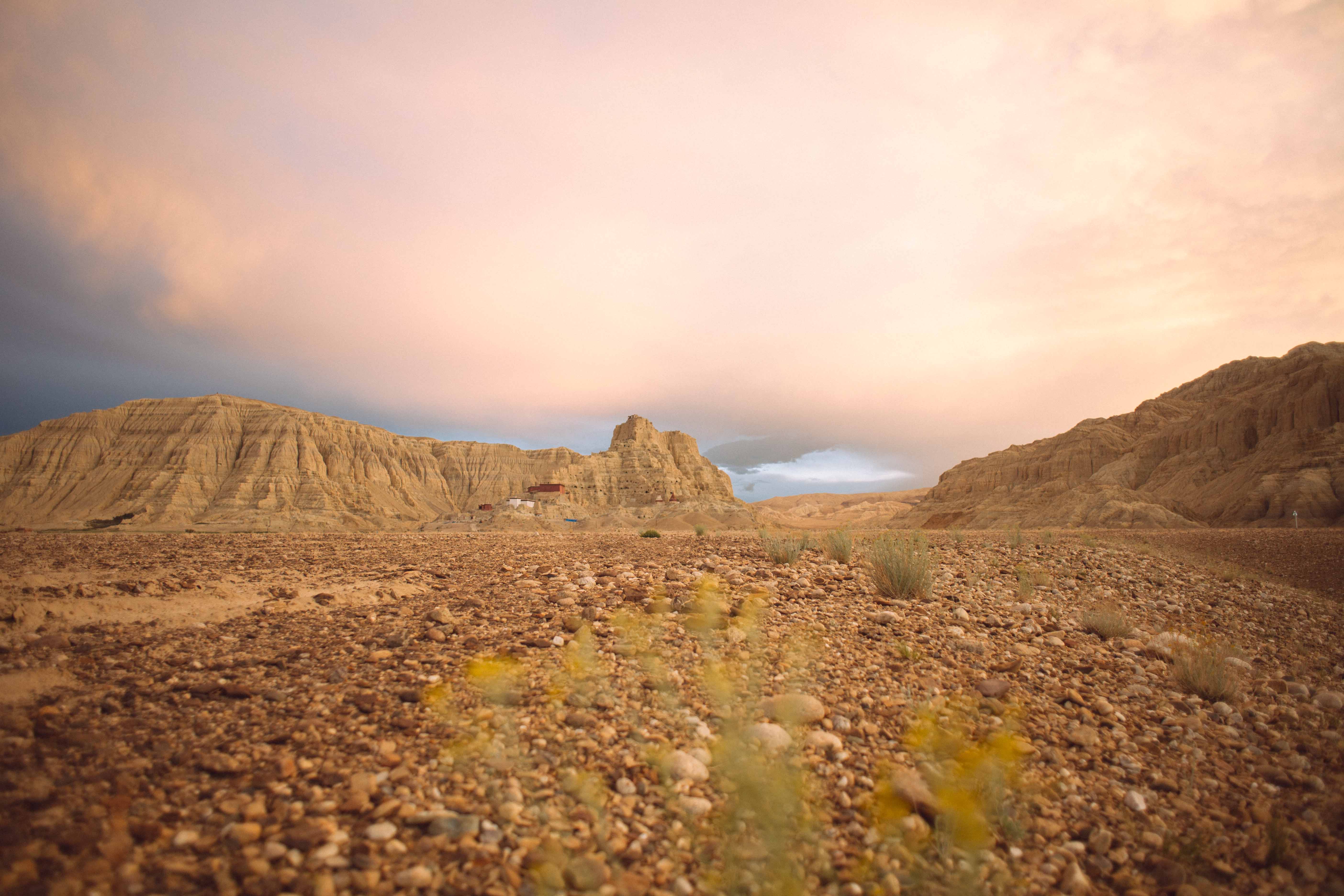
If you like the idea of turning maps into stories and ruins into coffee-table epiphanies, Guge will do that to you. I didn’t find this place by accident — I chased it down a week’s worth of high-altitude roads, bad phone signal, and the particular kind of curiosity that prefers a lonely cliff face to a crowded museum. What I came home with wasn’t a checklist of attractions, but a handful of moments: a sunburnt wall of pigments, a windy ridge where prayer flags clung like moth wings, and the slow, stubborn beauty of a kingdom that once linked Tibet to India and beyond.
Origins — how a small kingdom became a crossroads
Guge didn’t spring from nowhere. In the chaos that followed the collapse of the early Tibetan Empire, a new polity rose in the western river valleys around what we now call Zanda (Tsada). Think 10th century: descendants of imperial lineages carving out a realm among high plains and canyoned rivers. Tholing (often spelled Tulin) and Tsaparang were the capital seats — more than castles, they were cultural crossroads. Their location mattered: routes from the plateau to the Himalayan foothills and Indian subcontinent threaded through these valleys, bringing monks, artists and manuscripts. The result was a tiny court with outsized taste for learning and painting — an odd, brilliant outpost where Himalayan, Kashmiri and Indian threads braided into a distinct visual style.
I remember standing under the cracked eaves at Tholing and realizing that Guge’s isolation was its secret: isolation made the art local, but the trade routes made it cosmopolitan.
History and legend — palace politics, monks, and murals that survived the wind
Guge’s story reads like a regional epic. Royal patrons funded translation missions to India; monks returned with texts and techniques; artists painted murals that mixed iconography in ways you won’t casually see elsewhere. Names like Yeshe-Ö come up in scholarship as patrons of what historians call the “second diffusion” of Buddhism in Tibet. Alongside the sober history, the place is thick with local legend — sieges, alliances with Ladakh, the slow attrition of palace power — and the half-true tales that travelers whisper in teahouses.
The murals at Tholing and Tsaparang are what get me every time. Pigments—reds that still hum, blues that seem to remember rain—wrap around carved niches and altar bays. You’ll see Indian-style drapery, Kashmiri faces, and Tibetan iconography all sharing the same wall. But also remember: much has been lost to weather and neglect. The colors that remain look fragile for a reason. When I pressed my face too close and a guide gently reminded me to step back, I felt like I’d been scolded for leaning on a family heirloom.
Related blog posts

China’s Peak Holiday Seasons —Why You Should Avoid Them
Plan around China’s domestic holidays. Learn which peak seasons to avoid—crowds, price hikes, sold-out trains—and when to travel off-peak.

Foguang Temple |A shed of light from the Tang Dynasty le
Shanxi itinerary |A First-Batch National Treasure and Tang-Dynasty Wooden Masterpiece—rare statue layout, timeless structure, and a crowd-free heritage route linked to Wutai Mountain and Nanchan Temple