

China’s Peak Holiday Seasons —Why You Should Avoid Them
Plan around China’s domestic holidays. Learn which peak seasons to avoid—crowds, price hikes, sold-out trains—and when to travel off-peak.

This guide is part of Chinaoffbeat, a project created by travelers who love slow routes, human stories, and conversations that help you understand China beyond the obvious.
Domestic Holiday” Means Crowds, Price Hikes, and Traffic
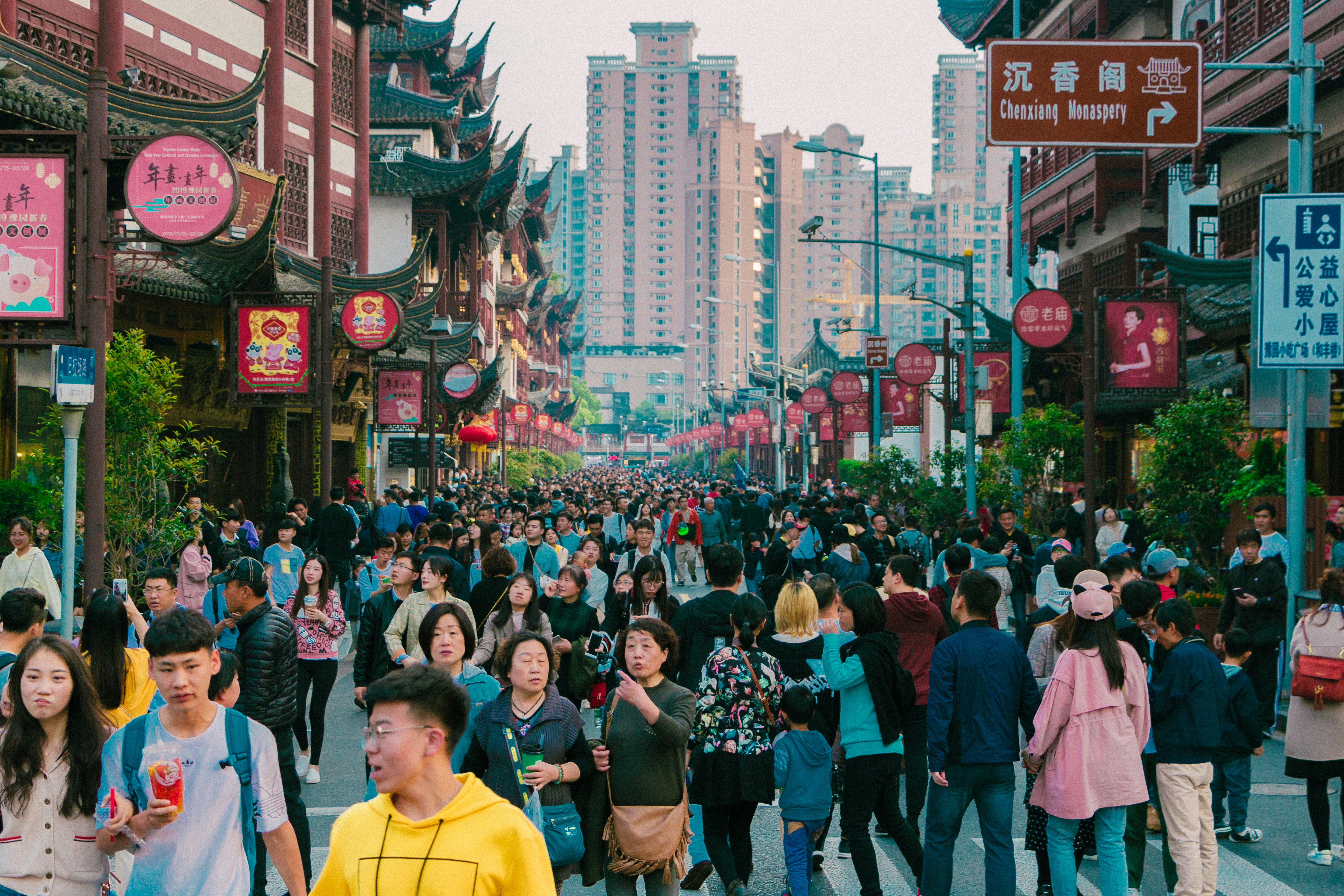
In China, timing matters as much as destination. Each public holiday sets off one of the world’s largest human migrations: highways clog, train tickets vanish in seconds, hotels double their rates, and even quiet scenic spots turn into seas of people.
Yes, holidays in China come with festive energy — but if you’re hoping to actually see the scenery, enjoy a slow meal, and take photos without elbows in the frame, avoiding these peak seasons might be the smartest travel move you make.

China’s Seven Major Public Holidays
China’s official holiday calendar includes seven national holidays each year. Here’s a quick look at what they mean — and when they happen:
Spring Festival / Chinese New Year ( Jan 28 – Feb 4 , 2025 ) The most important celebration in China, centered on family reunions and homecoming. It triggers the world’s largest annual migration (chunyun). Trains, planes, and hotels are completely booked.
Qingming Festival (Apr 4 – Apr 6) A time to honor ancestors and visit family graves. Though only three days long, it often merges with weekends into a “mini-holiday,” pushing short-trip demand and heavy suburban traffic.
Labor Day Holiday (May 1 – May 5) Avoid at ALL Cost The warmest and most popular spring getaway. Perfect weather, massive crowds. Expect higher prices everywhere.
Dragon Boat Festival (May 31 – Jun 2) A traditional holiday commemorating the poet Qu Yuan. Dragon-boat races and rice dumplings dominate southern cities — and so do tourists.

Mid-Autumn Festival ( Oct 6 , 2025 ) A festival of reunion and moon-gazing. When it overlaps with National Day, it forms a “super golden week” — essentially a nationwide travel jam.
National Day Golden Week ( Oct 1 – Oct 8 ) Avoid at ALL Costs China’s biggest travel surge. Virtually every scenic site and transport hub operates beyond capacity. In 2025, when National Day and Mid-Autumn combine, the country expects over 880 million trips.
New Year’s Day ( Jan 1 – Jan 3 ) A shorter break near winter. While smaller than the Lunar New Year, it still fills northern resorts and ski towns.
For Reference, on October 1, 2025, China’s railways carried a record 23 million passengers in a single day.
Why Avoiding Holidays Actually Makes Sense
Crowds: With over a billion people on the move, even “hidden gems” overflow. Prices. Flights, trains, and hotels jump 20 percent or more; 2025 domestic travel costs rose 14 percent year-on-year. Experience: You’ll likely spend more time queuing than exploring — two hours in line for ten minutes of scenery. Service strain: Every system runs at full load: transport, restaurants, and attractions stretch thin, and small issues snowball.
Conclusion | Smart Travel Starts with the Calendar
In China, good travel is as much about “when” as “where.” If you want to see the Great Wall without crowds, wander the Forbidden City in quiet, or sit by a canal in Suzhou listening to the wind through willows, avoid the official holidays.
Traveling off-peak means cheaper rooms, shorter lines, and more authentic moments. Next time you open a booking app, glance at those red dates on China’s calendar — then plan around them. Your trip (and your patience) will thank you.
Related blog posts

Top 5 Must-Have Apps for Traveling in China (2025): Payments, Transport & Everyday Survival
From WeChat and Alipay to navigation, rides, and translation tools that actually work in China.

China’s FOMO Traps: 10 Places You’ll Regret Visiting at the Wrong Time
Plan smarter: the peak dates, the crowd patterns, and simple playbooks to see China’s icons without the misery.