

Chinese Gardens for Travelers: Suzhou Classics and How to Read Them on Site
A practical primer to Chinese gardens—from Shang–Zhou terraces and Qin–Han “one pool, three isles,” to Suzhou’s literati courtyards. Learn rockery logic, Taihu vs. yellow limestone, visiting tips, and two underrated gems.

This guide is part of Chinaoffbeat, a project created by travelers who love slow routes, human stories, and conversations that help you understand China beyond the obvious.
If you’ve ever walked through the Chinese Garden in Vancouver’s Chinatown, or stepped into the Astor Court at the Metropolitan Museum in New York, you’ve already had a quiet introduction to a vast tradition. Notice how those spaces make you slow down—each turn reveals a new frame, a doorway leads to water, a rock looks almost alive. That rhythm is the essence of the Chinese garden.
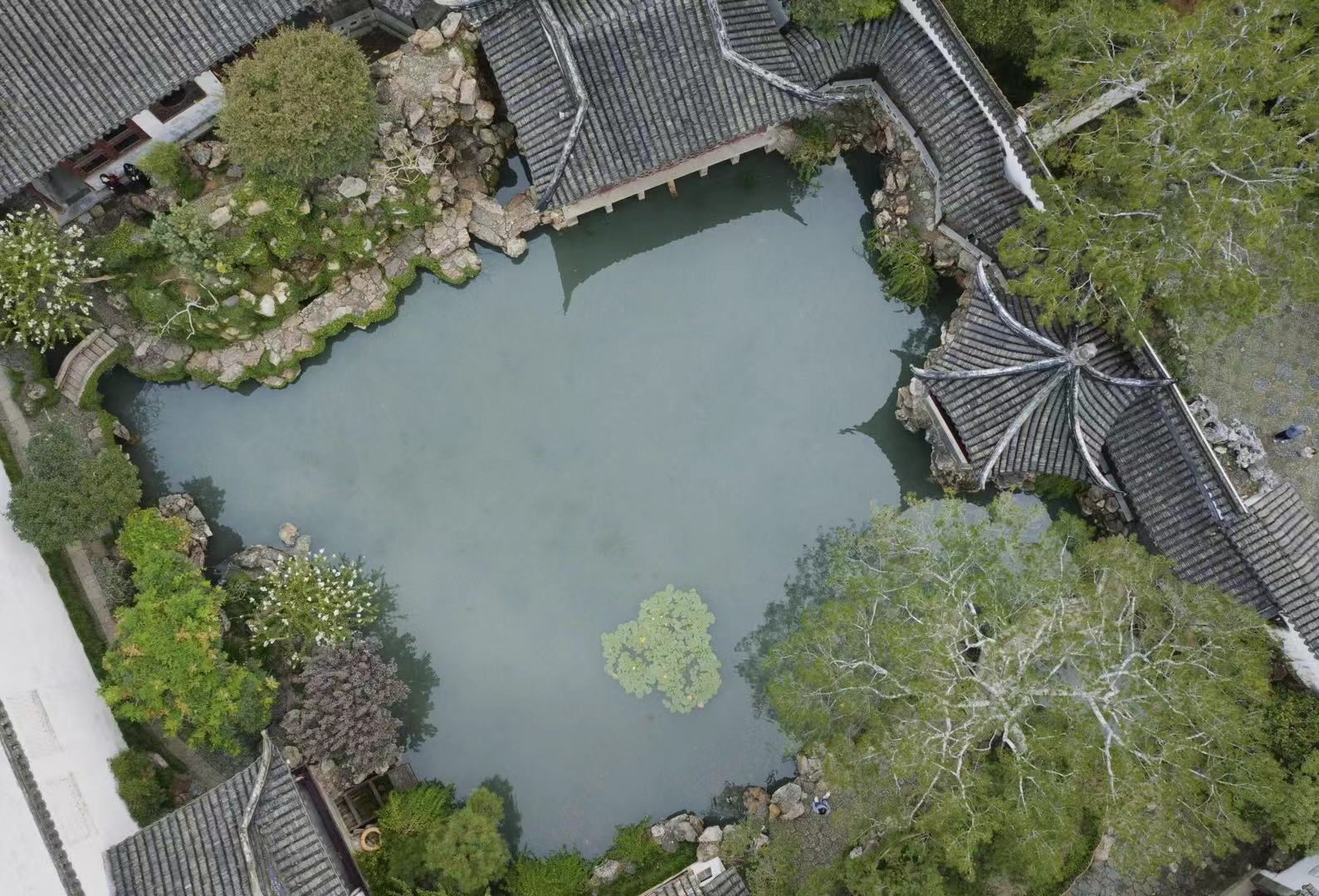
In China, gardens are not just decoration around a house; they are three-dimensional paintings. For over three thousand years, builders have used stone, water, and trees to translate mountains and rivers into a walkable world. Northern emperors built enormous parks to echo the landscape they ruled—Beijing’s Summer Palace and Chengde’s Mountain Resort use real hills and lakes. In the south, in places like Suzhou and Wuxi, scholars did the opposite: they compressed nature into courtyards, using curved walls and ponds to suggest whole valleys within a few steps.
A Chinese garden is where philosophy meets design. It balances movement and stillness, concealment and discovery. Think of it less as architecture, and more as a poem you can walk through—written in stone, water, and light.
Top Ten Classical Gardens of China
Humble Administrator’s Garden (Zhuōzhèng Yuán, 拙政园) – Suzhou, Jiangsu The “Garden of Gardens,” a UNESCO World Heritage Site. Ponds, islands, and pavilions form a living landscape painting—half water, half poetry.
Summer Palace (Yíhé Yuán, 颐和园) – Beijing The largest imperial garden in China, centered on Longevity Hill and Kunming Lake. Once a royal retreat, now the most complete expression of imperial landscape design.
Mountain Resort (Bìshǔ Shānzhuāng, 避暑山庄) – Chengde, Hebei Vast and diverse, uniting grasslands, hills, and lakes. Served as the Qing emperors’ summer capital and symbol of their empire’s reach.
Lingering Garden (Liú Yuán, 留园) – Suzhou, Jiangsu Famous for intricate rockeries and long covered walkways. Every view changes with a few steps, showing perfect mastery of space and rhythm.
Yu Garden (Yù Yuán, 豫园) – Shanghai A Ming-dynasty city garden built for a merchant family. Stone bridges, dragon walls, and curling roofs create a poetic world within the urban maze.
Old Summer Palace (Yuánmíng Yuán, 圆明园) – Beijing Once the “Garden of Perfect Brightness,” combining Chinese and Western design. Burned in 1860, its ruins still speak of the empire’s lost grandeur.
Lion Grove Garden (Shīzǐ Lín, 狮子林) – Suzhou, Jiangsu A maze of Taihu rocks, tunnels, and bridges. Its fantastical formations inspired painters and architects, including the modernist I. M. Pei.
Ge Garden (Gè Yuán, 个园) – Yangzhou, Jiangsu A scholarly garden themed around the four seasons, each represented by different stones and colors—a walk through time and mood.
Master-of-Nets Garden (Wǎngshī Yuán, 网师园) – Suzhou, Jiangsu Compact yet perfectly balanced. Water, rock, and halls arranged like a sonnet—small in scale, infinite in feeling.
Canglang Pavilion (Cāngláng Tíng, 沧浪亭) – Suzhou, Jiangsu The oldest surviving Suzhou garden, simple and contemplative. Reflects the literati’s ideal of harmony between man, nature, and poetry.
How to Read a Garden on Site
The best way to see a Chinese garden is to slow down and treat it as a story told in space. Don’t look for a “main view.” Instead, pay attention to what happens between steps.
Start with movement. Every path is deliberate—turns, bridges, and doors act like commas and pauses in a sentence. When you enter, notice how a low gate compresses your view, and how the next courtyard suddenly opens wide. That rhythm of reveal and concealment is the designer’s handwriting.
Then, look at water and reflection. Ponds are not decoration; they double the scene, turning stone into mountain and sky into depth. Wait until the light slants in late afternoon—ripples make the scene breathe.
Next, study the rockery. Good rockwork feels alive: it rises from the ground, its veins flow in one direction, and openings invite you to climb or look through. A random pile of stones, however photogenic, is just that—a pile.
Listen for sound and silence. In a Suzhou courtyard, you’ll hear birds and footsteps, maybe a lute from a nearby hall. The quiet is part of the design.
Finally, read the words. Many halls bear couplets or plaques written by poets and scholars. They’re not ornamental; they tell you how the owner wanted the space to be felt—tranquil, reflective, maybe even humorous.
When you begin to notice these layers—movement, water, rock, sound, and script—you stop being a tourist. You start reading the garden the way its creator once did: with your whole body.
Related blog posts

Best Museums to Visit in China — Updated 2025
Six must-visit city museums for history lovers — National Museum of China, Shaanxi, Henan, Nanjing, Hubei & Shanghai (highlights, tickets, what to see)

How to Find Authentic Restaurants in China: A Practical Guide for Travelers
From download to booking: step-by-step instructions for using Dianping (大众点评) to pick the right city, switch to English, filter by cuisine and ratings to eat where locals actually go.