

Why Is Beijing Have "Awful" Food Culture? The Real History Behind China’s Capital Cuisine
Explore Beijing’s food identity through its history and local cuisine. From imperial traditions to everyday snacks, discover how the capital eats and evolves.
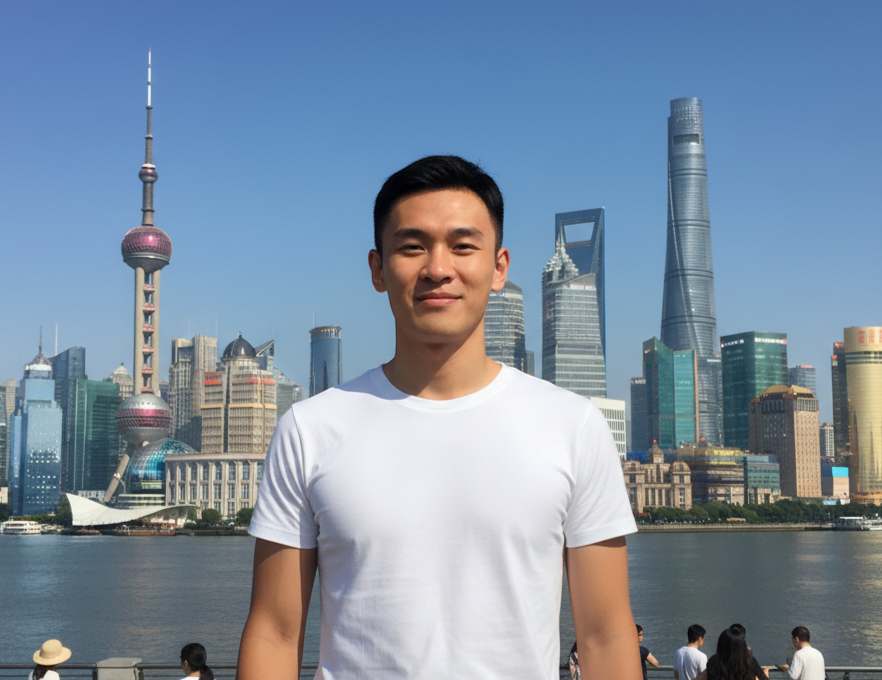
This guide is part of Chinaoffbeat, a project created by travelers who love slow routes, human stories, and conversations that help you understand China beyond the obvious.
A capital city, but not a culinary one
Great food, anywhere in the world, rests on three things: ingredients, tradition, and technique. Capitals usually gather all three — Paris with haute cuisine, Tokyo with sushi and kaiseki — but Beijing somehow broke the rule. Despite being home to emperors, scholars, and chefs for centuries, the city’s food scene feels like a “cliff drop” compared to China’s great culinary schools: Sichuan, Shandong, Cantonese, and Huaiyang. The reason is brutally simple: poor soil, thin tradition, and climate that never fed flavor.
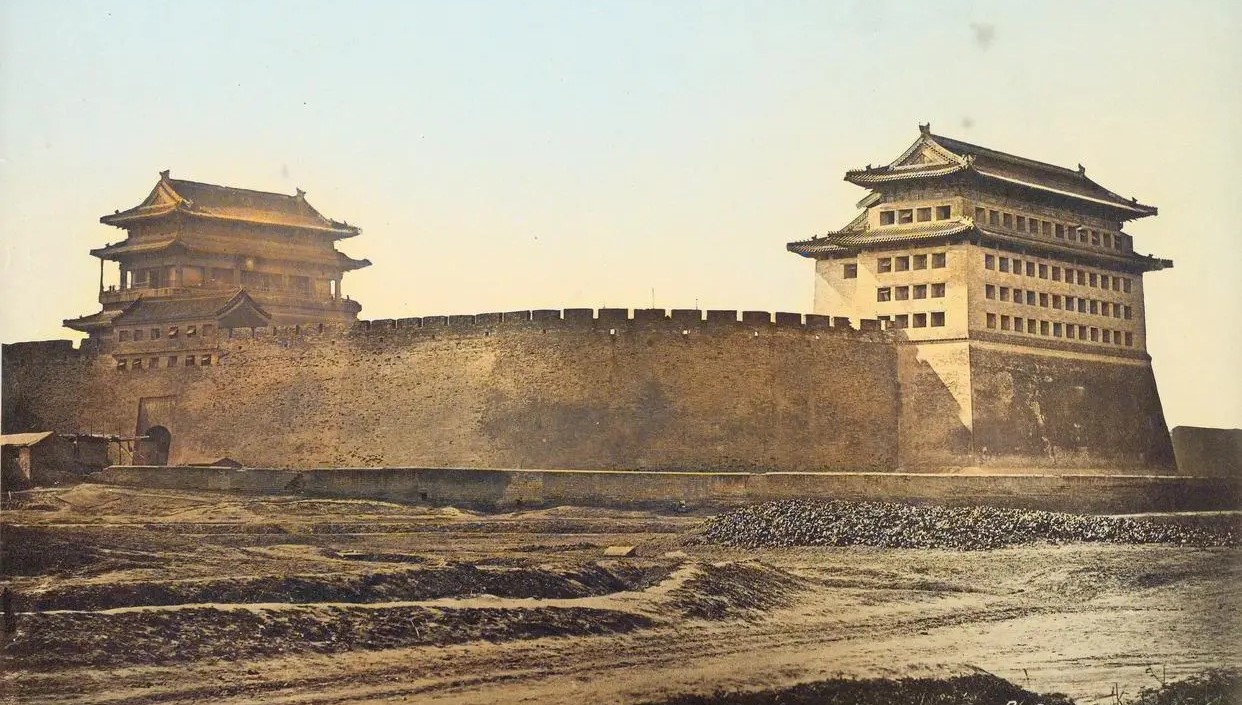
From northern frontier to reluctant capital
Beijing wasn’t born to be a capital of taste — or even of politics. For most of history, it was a northern outpost, a buffer zone rather than a symbol of unity. The Yan Kingdom in the Warring States, the Liao and Jin dynasties, even the divided Northern courts — all ruled from here, but few left a mark of refinement.
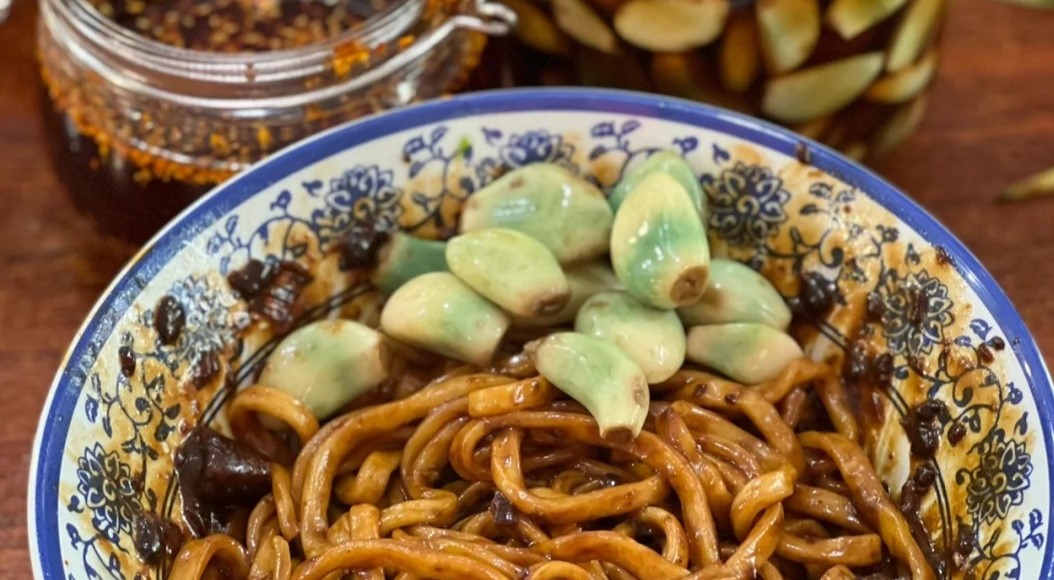
Early Beijing’s food culture was, bluntly, rough. In Records of the Grand Historian, we read of “Jing Ke drinking daily with the butcher and the musician Gao Jianli.” That about sums it up: heavy drinking, simple food, zero finesse. This coarse streak never really left. You can still taste it in:
Zha Jiang Mian (noodles with fermented soybean paste) — tasty, yes, but brown, greasy, and unapologetically ugly.
Chao Gan’er (stir-fried liver stew) — a humble imitation of central China’s spicy soup, using cheap pork offal thickened with starch.
Douzhi and fried mung bean mash — the city’s notorious fermented bean drink and its cousin, stir-fried bean dregs with leeks, pickled greens, and lamb fat. Sour, funky, and proudly local.
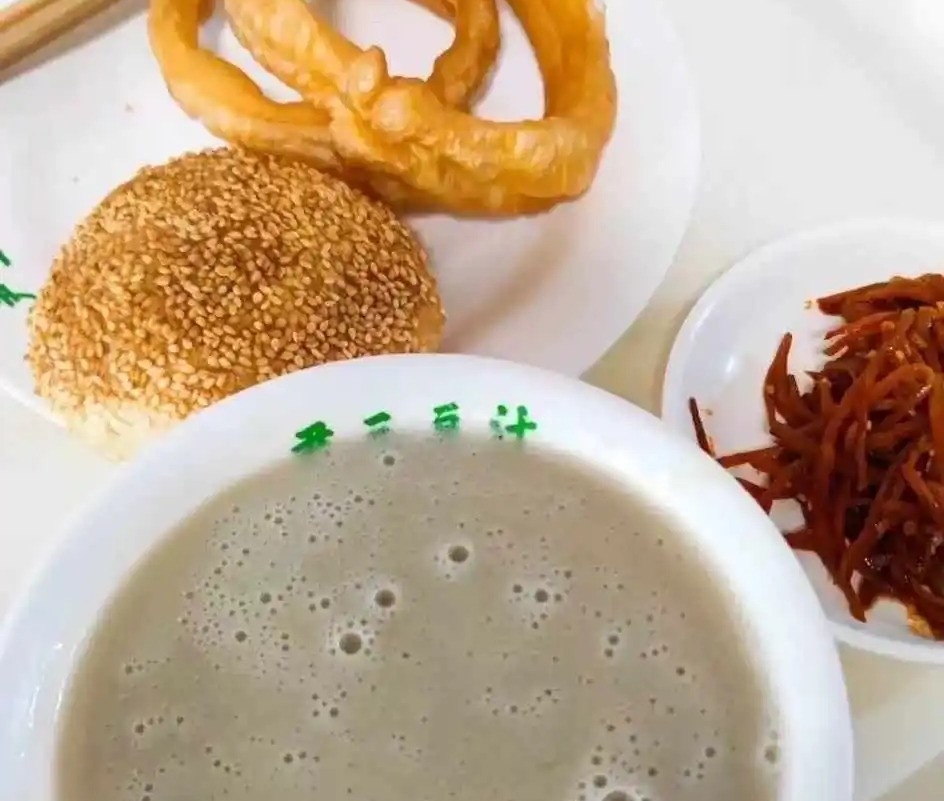
Compared to the refinement of Jiangnan pastries, the fragrance of Cantonese dim sum, or the vivid depth of Sichuan broth, Beijing cuisine often looks and feels… rustic. The first bite tests your courage more than your palate.
The Mongol twist: politics first, flavor later
Everything changed when the Mongols arrived — and yet, nothing did. Kublai Khan’s decision to found the Yuan dynasty, take the Chinese title of emperor, and move the capital to Beijing (then called Dadu) changed China’s political map forever. For the first time, the country’s political center split from its economic and culinary heartlands — the Yangtze and Sichuan basins.
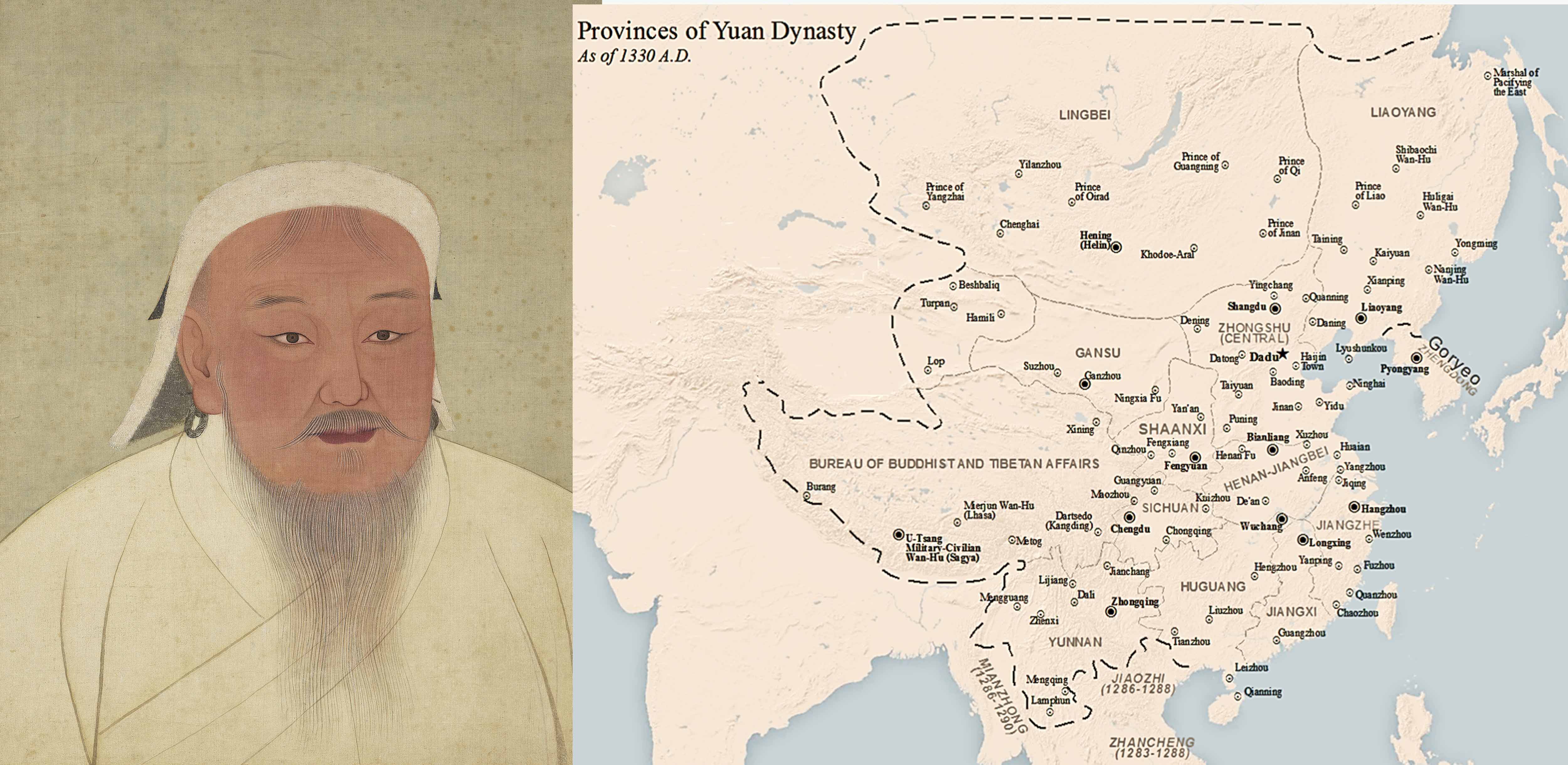
Those southern regions, rich and peaceful, kept refining food culture; Beijing stayed a command post. The city’s destiny as a seat of power, not pleasure, was sealed by geography: defendable from the north, close enough to govern the plains, but far from good harvests and fine produce.
Emperors tried to fix the menu — they mostly failed
Still, rulers get hungry. Every dynasty that lived in Beijing tried to make it taste better:
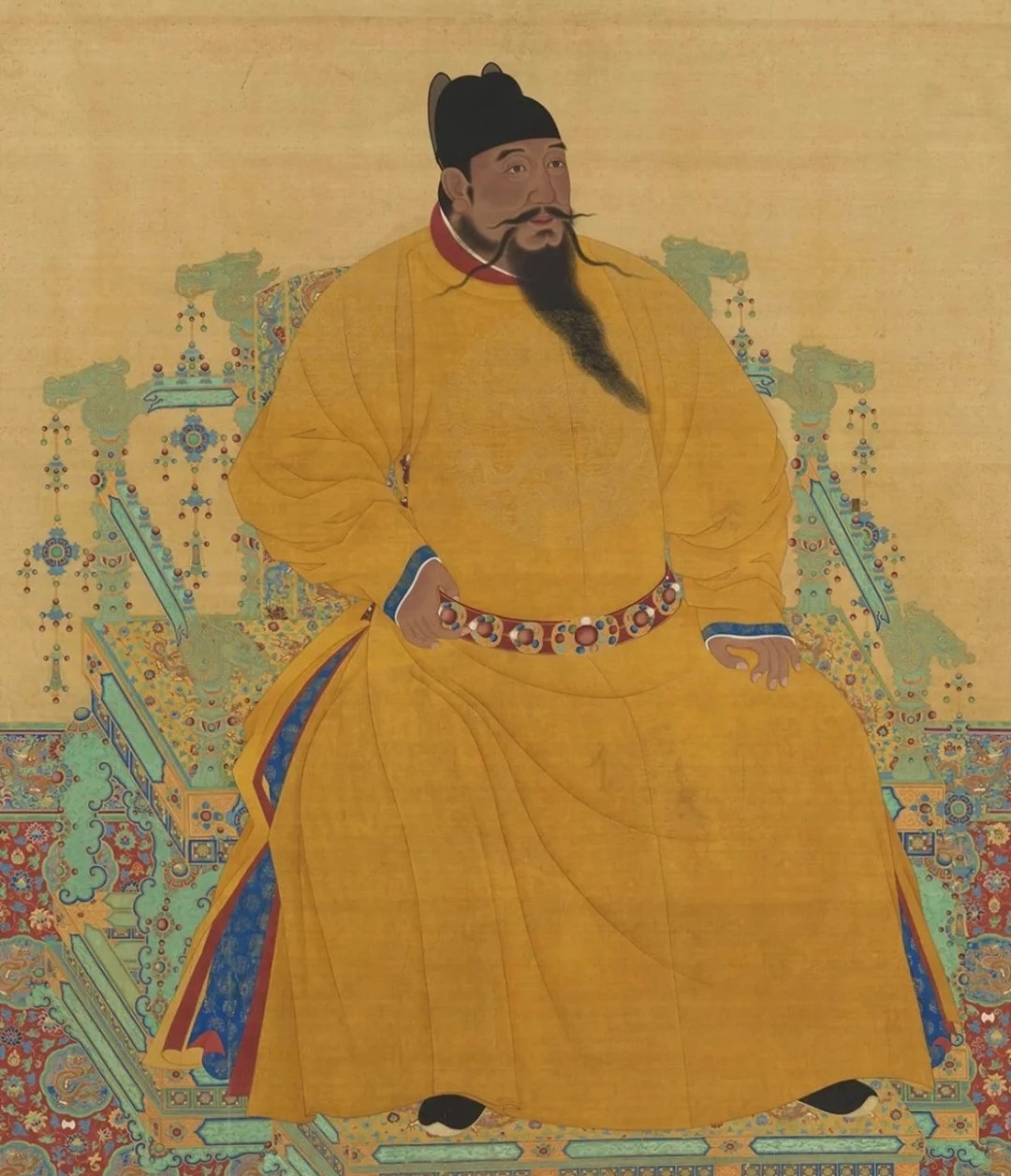
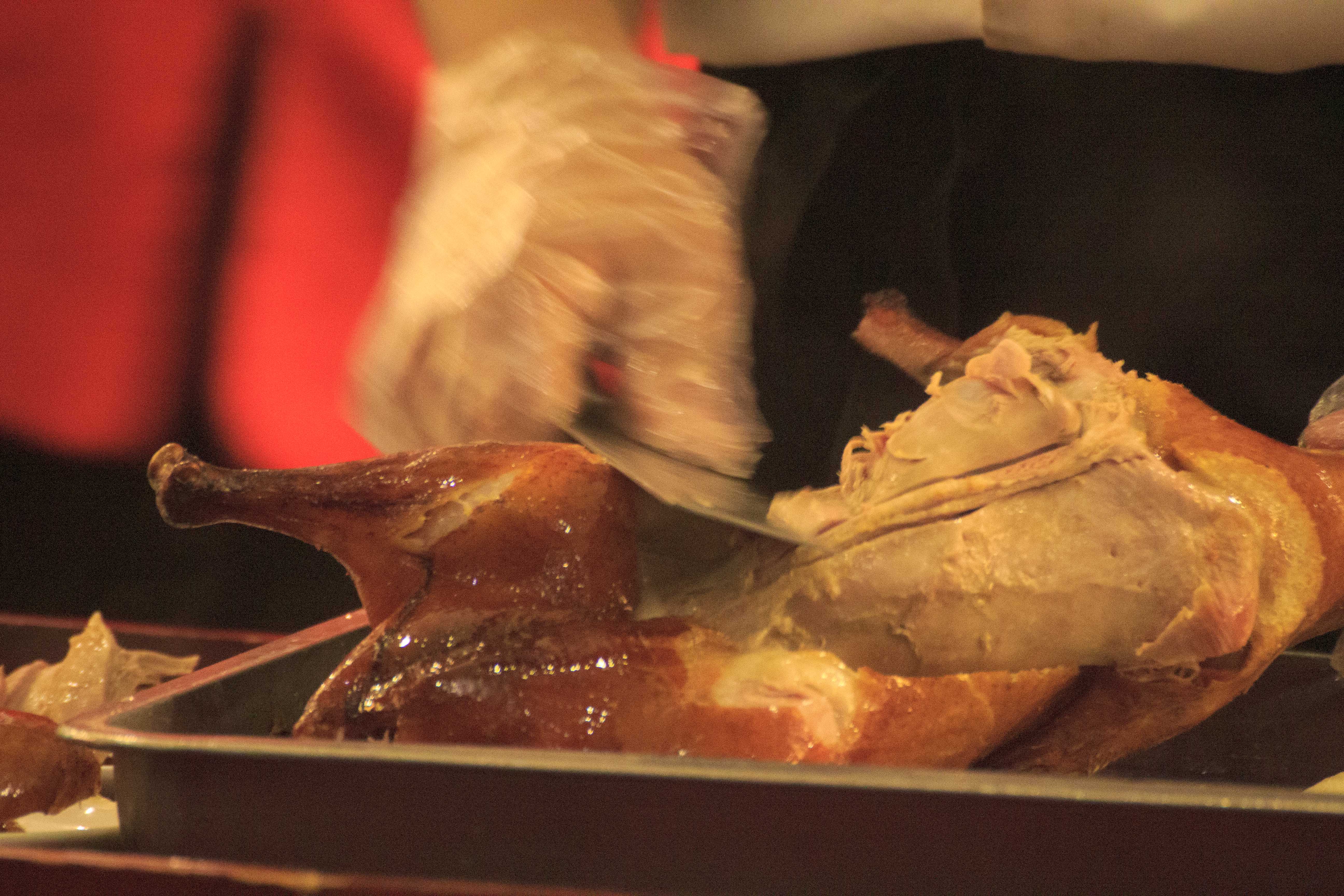
The Ming emperor Zhu Di brought his favorite Nanjing-style roast duck north — it became Peking Duck, now the capital’s culinary flagbearer.
The Qing dynasty added Mongolian lamb hotpot and Manchu pastries, while hiring Shandong chefs to run the imperial kitchens — that’s how Lu cuisine became Beijing’s backbone.
The Qianlong emperor, obsessed with Jiangnan refinement, imported Huaiyang masters like Chef Zhang Dongguan, who introduced dishes like suzhao pork and cherry meat.
In the 1950s, even Premier Zhou Enlai relocated top Shanghai restaurants north to modernize the capital’s service industry.
And yet, almost everything lost its soul once it “went Beijing.” The elegant suzhao pork degenerated into lu zhu (a mixed pork stew); real Shandong delicacies still taste best in Jinan; roasted meats shine in Guangzhou; soy-braised dishes reach perfection in Suzhou or Shanghai. As food documentarian Chen Xiaoqing put it, “Food has roots.” In today’s connected world, moving those roots isn’t the issue — it’s that Beijing’s soil can’t keep them alive.
Why Beijing can’t breed great food — even now
By the late Qing, the city’s structure guaranteed culinary stagnation. Manchu bannermen (roughly 60% of the population) didn’t produce or trade; they served the throne. Han Chinese lived in the southern city, supplying daily needs. The economy existed to feed the court — a “national tax farm” sustaining one city.
That inertia shaped a mindset still recognizable today: stable jobs, guaranteed pay, risk aversion — not the soil of creative cuisine. Chefs came, cooked, got paid, and left.
Then came collapse and poverty. When the Qing fell, nobles fled, floods hit the North China Plain, and refugees poured in. The capital became a welfare city — rich in symbolism, poor in sustenance.
By the 1920s, one-third of Beijing’s poor households were former bannermen living off fading stipends. Writer Zhou Zuoren observed:
“Northern pastries are meals of necessity; southern ones are leisure foods. In Beijing, the dough is thick, the fillings crude — people eat to fill, not to savor.”
Tragically, that was also when China’s modern restaurant scene was being born elsewhere. The 1910s–30s gave rise to the “century-old shops” that defined regional authenticity, while Beijing was missing in action.
A capital of power, not of palate
British novelist William Golding once said of his homeland:
“Britain has two kinds of food — the steakhouse in London, and everything else as animal feed.”
If London is Britain’s lone bright spot in a culinary desert, Beijing is the dimmest corner of a food paradise. That’s not an insult — it’s a diagnosis. Politics chose this city; flavor didn’t.
Beijing still has its icons — the perfect roast duck, the winter hotpot, the austere joy of a jianbing breakfast in the hutongs. But when it comes to ingredient diversity, lineage, and creative continuity, it can’t rival the places where economy and appetite grew together.
Related blog posts

Taste Guangzhou — why this city eats like nowhere else in China
Guangzhou food guide | Cantonese cuisine, dim sum, Chaoshau & Shunde flavours — history, culture and what to try

Best Authentic Peking Duck in Beijing (2025): 4 Classic Restaurants and the History Behind the Dish
Taste Beijing’s signature dish where it all began. Discover the 1,000-year history of Peking Duck and the four restaurants that still roast it the traditional way — crisp skin, tender meat, and centuries of craft.