

Luxury Travel in China 2025–2026: A Journey of Comfort and Culture
Find your own High-End Hotels, Scenic Trains, Private Experiences & Hidden Gems
This guide is part of Chinaoffbeat, a project created by travelers who love slow routes, human stories, and conversations that help you understand China beyond the obvious.
China is emerging as a compelling luxury travel destination, where upscale comforts meet rich traditions. After a rapid transformation over the past decade, the Middle Kingdom now offers five-star hotels, gourmet dining, and seamless transport – all infused with authentic cultural experiences.
Why China, Why Now? Most travelers once associated China with backpacker trails and travel challenges, but that image is now outdated. In reality, China’s tourism in 2025 boasts high-end hotels, luxury high-speed trains, private drivers, and world-class entertainment – often at a cost far below Western equivalents. This means you can enjoy luxury travel in China without breaking the bank, an enticing prospect for even middle-class travelers. While gleaming skyscrapers, Lamborghini showrooms and Maglev trains hint at China’s modern glamor, these are merely “dazzling baubles” compared to the treasures of its ancient culture. The country’s oldest traditions and historic sites remain, offering depth and authenticity alongside comfort. In short, China today lets you indulge in 5-star hotels in China and Michelin-starred cuisine by night, then explore 600-year-old temples and calligraphy scrolls by day – a blend of opulence and antiquity unique to this destination.
Destination Beijing: Imperial Grandeur Meets Modern Luxury
Beijing, China’s capital, is a city of fascinating contrasts. One moment you’re gazing at ancient imperial palaces; the next, you’re sipping craft cocktails in a sleek skyscraper lounge. Luxury travel Beijing-style begins with its world-class hotels and heritage-rich experiences. Many top international brands are here, offering palatial suites often at a fraction of the cost of equivalent rooms in London or New York – roughly $200 a night in Beijing gets you what $500 might in London. The service is impeccable, and amenities range from spa retreats to personalized butlers. For a stay with real character, consider a boutique heritage hotel in a historic hutong (alleyway). Tucked amid old courtyard residences, these intimate hotels immerse you in the city’s traditional charm – it’s said that if you check into a courtyard hotel, “the true Beijing will be right on your doorstep”, letting you step out into atmospheric lanes each morning.
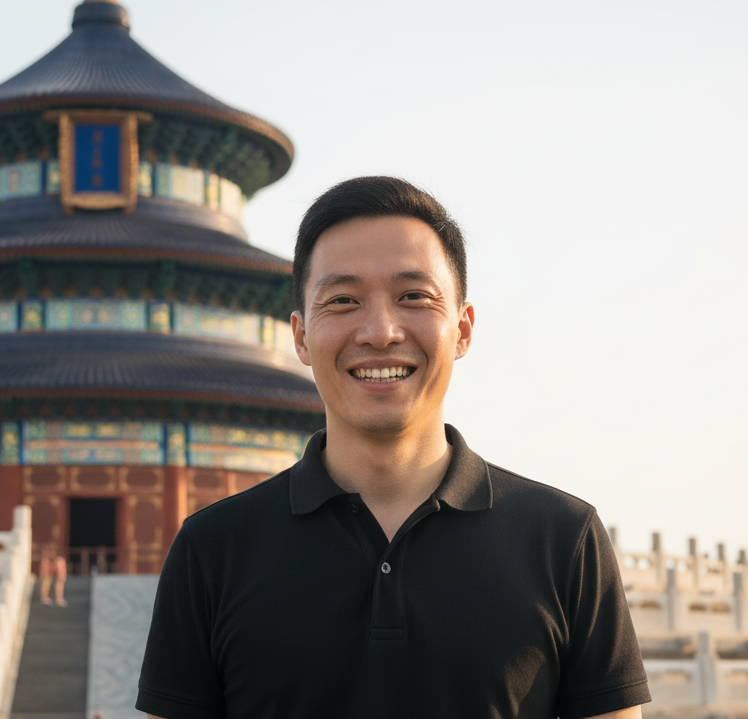
Beyond accommodations, Beijing offers fine dining and cultural heritage side by side. This is the ancestral home of Peking duck, and no luxury trip is complete without savoring this dish carved table-side in its birthplace. The city’s dining scene has exploded with options – you’ll find Michelin-starred restaurants and celebrity chef establishments showcasing not only Chinese imperial cuisine but also global fare. Many upscale eateries are set in restored courtyard homes or overlook landmarks like the Forbidden City, blending ambiance with flavor. After dinner, you might take a private after-hours tour of the Forbidden City or Temple of Heaven; hiring a private cultural guide can unlock stories of Beijing’s emperors and artisans that bring these iconic sites to life. One day, explore the Great Wall with a guide who knows a secluded section for a scenic hike without the crowds; the next, enjoy a private calligraphy session with a master artist in a centuries-old hutong studio. Beijing takes itself seriously – wide boulevards and monumental architecture remind you this is the seat of power – and the high-end experiences reflect that gravitas. Yet amid the luxury, the city’s soul is ever-present: early morning tai chi in the parks, steaming baskets of dumplings at breakfast, and the soft strumming of a guqin zither in a tucked-away tea house. In Beijing, you truly get the best of both worlds, imperial and modern, especially with the right balance of indulgence and authenticity.
Destination Hangzhou: West Lake Serenity and Tea Culture
Famed for its natural beauty and refined culture, Hangzhou offers a tranquil counterpoint to China’s big cities – without sacrificing luxury. Just a 55-minute bullet train ride from Shanghai, Hangzhou has been a retreat for China’s elite for centuries, thanks to its picturesque West Lake, lush hills, and famed tea plantations. The moment you arrive, the pace slows and the air feels softer. A local saying declares, “Above there is heaven, below there is Hangzhou,” reflecting the city’s classical beauty and graceful ambiance.
West Lake (Xī Hú) is the crown jewel and the heart of Hangzhou’s appeal. This is China’s most famous urban lake, surrounded on all sides by a tranquilizing tableau of pagodas, lilting willows, temple gardens and some truly excellent hotel options. Check into a lakeside resort – for example, the Four Seasons Hangzhou at West Lake or the Amanfayun – and you’ll experience “unruffled tranquility” steps from the water’s edge. Few city panoramas in China are as seductively presented as West Lake, especially in the evening when lantern-lit boats glide across the water and couples wander hand-in-hand along the shore. Be sure to spend at least one evening by the lake; as one guide notes, West Lake saves its best side for nightfall, when reflections of bridges and pagodas shimmer on the calm surface.
Luxury in Hangzhou is inseparable from its tea culture and scholarly heritage. This region is the origin of Dragon Well (Longjing) tea, and verdant tea terraces cover the hills just outside the city. An unforgettable experience here is a private visit to a tea plantation in Meijiawu or Longjing Village, where you can hand-pick tea leaves and then participate in an exclusive tea ceremony with a tea master. Sip the fragrant green tea as you learn about its significance – a moment of simple elegance that feels like the height of luxury to a tea aficionado. The city’s refinement continues in its cuisine and crafts. Dine at fine restaurants serving Hangzhou’s delicate dishes (like Beggar’s Chicken or West Lake fish in vinegar sauce) on a terrace overlooking the lake. If you’re interested in silk – another local specialty – a private tour can be arranged to the National Silk Museum or a silk atelier, where artisans weave shimmering silk brocades on traditional looms. These curated experiences connect you with Hangzhou’s legacy as a hub of tea and silk on the ancient trade routes.
Exploring Hangzhou is best done leisurely. Hire a private guide to take you through the Lingyin Temple (Soul’s Retreat Temple) early in the morning, before the crowds arrive, to hear the tolling bells and inhale the incense in peace. Enjoy a calm afternoon biking around West Lake (your hotel can arrange premium bicycles or even a private boat if you prefer to float across the lake). Hangzhou’s atmosphere of calm sophistication, with its blend of nature and culture, will leave you refreshed. It’s no wonder emperors and poets have long escaped here for inspiration – and today’s luxury traveler can do the same, ensconced in comfort and serenity.
Chengdu: Slow Living in the Spice Capital
For a taste of laid-back living with a luxurious twist, head to Chengdu in Sichuan province. This city has earned fame for two things: spicy food and giant pandas – but it also deserves recognition for its relaxed lifestyle and emerging upscale scene. Chengdu offers a wonderfully relaxed vibe that’s rare among Chinese metropolises; people here genuinely seem to enjoy life’s slower pace. It’s a place where locals linger for hours in tea houses, play mahjong under ancient shade trees, and prioritize leisure – all of which creates a welcoming atmosphere for travelers seeking to slow down and savor the moment.
In recent years Chengdu has seen a boom in luxury development: plenty of new five-star hotels (including stylish options like The Temple House and Ritz-Carlton) and high-end shopping complexes have sprung up. Yet the city hasn’t lost its soul. You can stay in a chic suite overlooking the Jinjiang River, but step outside and join residents in the park practicing tai chi or sipping jasmine tea from porcelain gaiwans. This blend of comfort and authenticity defines Chengdu’s appeal. Consider booking a heritage hotel that incorporates local style – for instance, a hotel with traditional Sichuan courtyard architecture or one adjacent to a historic temple – to keep you connected to the region’s culture even in luxury.
Chengdu is a UNESCO City of Gastronomy, world-renowned for its cuisine, so much of the luxury here is experienced with chopsticks in hand. Food is central to Chengdu life. You can certainly find upscale Western restaurants and rooftop bars, but the true indulgence is exploring Sichuan’s bold flavors with expert guidance. Arrange a chef-led culinary tour: start your day with your private guide at Qingyang Palace morning market, selecting fresh Sichuan peppercorns and produce, then learn to cook classic dishes in a cooking studio. By night, reserve a table at one of Chengdu’s famous hot pot restaurants – many now offer private rooms and premium ingredients like Wagyu beef and truffles for a deluxe hot pot feast. A trending experience in Chengdu’s dining scene is the banquet-style fine dining with live performance, such as a traditional “face-changing” Sichuan opera show accompanying a multi-course gourmet hot pot banquet. It’s an only-in-Chengdu blend of entertainment and cuisine that epitomizes how this city indulges all the senses.
No visit is complete without engaging with Chengdu’s most famous residents: the giant pandas. Luxury travelers can secure exclusive early access or volunteer slots at the Giant Panda Breeding Research Base, 18km north of the city center. This renowned conservation center isn’t a zoo at all, but rather a sprawling park where nearly 50 pandas roam in habitats resembling the wild. Seeing these gentle creatures munch bamboo up close – without the usual crowds – is a special experience made possible by private tours. Many high-end tour operators can arrange a behind-the-scenes visit or even a chance to feed a panda under a keeper’s supervision (a memorable photo-op).
Chengdu’s slow life approach doesn’t mean a lack of nightlife, though – in fact, Chengdu is famous throughout China for its vibrant nightlife scene. Spend an evening in the trendy Kuanzhai Alley area, where restored Qing-dynasty alleys now host craft cocktail bars and boutique shops. Or enjoy a VIP seat at the Sichuan Opera, watching the performers’ dazzling costumes and lightning-fast face mask changes (some performances even offer post-show meet-and-greets for VIP guests). Whether you’re unwinding in a luxury spa with a spicy-massage (Sichuan pepper oil, anyone?) or cycling along the new 100-km greenway that rings the city, you’ll feel the “live slow, live well” ethos of Chengdu at every turn. It’s this comfortable pace, combined with spice and sophistication, that makes Chengdu a must on a luxury China itinerary – a city to indulge, learn, and relax.
Guilin & Yangshuo: Karst Landscapes and Riverside Retreats
For nature lovers seeking luxury, Guilin and nearby Yangshuo in Guangxi province offer an immersive escape into China’s most idyllic landscapes. The scenery here – immortalized on scroll paintings and even the 20¥ banknote – is defined by otherworldly karst mountains, winding rivers, and verdant rice fields. It’s hard to exaggerate the beauty of Yangshuo and the Li River that winds through this region. Mossy-green limestone peaks rise like dragon’s teeth from the earth, weeping willows drape over riverbanks, and farmers with water buffalo tend bright green rice paddies in the shadow of the jagged hills. Drifting down the Li River on a bamboo raft, surrounded by this legendary scenery, you immediately understand why painters and poets have been inspired here for centuries.
Luxury travel in Guilin/Yangshuo means positioning yourself to fully enjoy the landscape while enjoying high-end comfort. Rather than staying in the city of Guilin (which has some upscale hotels but is more urban), many seasoned travelers make Yangshuo their base to be closer to the most stunning countryside. Yangshuo itself has evolved from a backpacker haven into a boutique destination, now offering lovely riverside resorts and lodges that blend into the scenery. Imagine waking up in a plush suite at a boutique riverside lodge, with floor-to-ceiling windows opening to a panorama of karst peaks wrapped in morning mist. Options range from international luxury resorts to intimate inns converted from traditional farmhouses. In fact, some entrepreneurs have restored old village homes into high-end guesthouses – take the Secret Garden boutique hotel for example, where a Welsh architect leased a cluster of Ming-dynasty houses and turned them into an elegant retreat. Staying in such a place gives you a direct connection to local history and architecture, without sacrificing modern comforts.
Days in Yangshuo can be as active or relaxed as you desire. A popular indulgence is a sunrise hot air balloon ride over the karst peaks – drifting gently above the Li River as the sun colors the limestone spires gold. Afterwards, return to your hotel for a champagne breakfast by the river. You can also take a private guided cycling tour along country roads, passing through orange groves and tiny villages where time seems to slow. Your guide can arrange unexpected luxuries: a picnic lunch of local specialties laid out for you in a pavilion overlooking rice terraces, or a visit to a quiet hilltop where a Tai Chi master leads you in a personal lesson with the mountains as your backdrop. For photographers, this region is a dream – every turn is a new postcard view. (As Lonely Planet quips, you can’t go wrong with the “stupendous karst and river scenery” here.)
Of course, make time to cruise the Li River itself. You have choices: join a deluxe sightseeing boat from Guilin to Yangshuo (some offer upper-deck seats and lunch on board), or for a more private experience, hire a smaller motorized raft (with cushioned seating and a canopy for shade) for just you and your travel companions. Gliding past iconic spots like Xingping (where the most famous 20-yuan note view is found) is unforgettable. Around each bend, another scene unfolds: fishermen on bamboo rafts with their trained cormorant birds, water buffalo cooling off in the shallows, children playing on the banks. The landscape becomes almost impossibly dreamy as you approach Yangshuo, with peak after peak creating a surreal skyline. By the time you disembark, you’ll be utterly enchanted by Guangxi’s natural splendor.
Evenings in Yangshuo can be low-key or filled with local flair. West Street in the town is known for its cafes and bars (a bit touristy, but fun), however, a luxury traveler might opt for a quieter night at the resort, perhaps with a private riverside barbecue arranged by the staff or a spa treatment using indigenous ingredients like osmanthus (a fragrant flower local to Guilin). One highly recommended experience is the Impression Liu Sanjie night show – an ethereal outdoor performance on the Li River directed by Zhang Yimou, with karst mountains as the backdrop and a cast of hundreds. VIP seating or even a backstage meet-and-greet can be arranged, adding exclusivity to this already magical spectacle. After a few days in Guilin and Yangshuo, you’ll have experienced a rare kind of luxury – the luxury of nature’s grandeur, enjoyed in comfort and privacy. As you lounge on a deck chair by the river at your lodge, karst peaks silhouetted by moonlight, you might concur that China’s most photographed landscape truly “verges on the idyllic” – and you’ve had the privilege to live inside it for a while.
Yunnan: Ethereal Highlands and Cultural Elegance
In China’s southwest, Yunnan province offers a tapestry of cultures, landscapes, and a mild climate – an ideal setting for a culturally refined escape. This region is home to many of China’s ethnic minority groups, and its towns like Dali and Lijiang have become bywords for heritage charm. In fact, Lijiang and Dali are often cited as two of China’s most attractive ancient towns, each embedded in a fantastic landscape of mountains and lakes. A journey here is about basking in Old World atmosphere while enjoying modern luxuries amid nature.
Start in Dali, a town set between the glassy waters of Erhai Lake and the Cangshan mountains. Dali is the heartland of the Bai minority culture and for years was a laid-back backpacker hangout, though it now also caters to upscale tastes. The old town’s stone streets, traditional Bai architecture, and vibrant cafés create a funky, artsy vibe – Dali has retained a reasonably relaxed feel with locals still part of daily life. You can stay in a beautifully restored courtyard boutique hotel here, perhaps owned by an artist or designer, featuring locally crafted furniture and flowering courtyards. By day, explore Dali’s Three Pagodas (dating back to the 9th century) with a private guide who can explain their history and the Buddhist art in the nearby temple museum. In the afternoon, take a private boat out on Erhai Lake, visiting a lakeside fishing village where you might witness traditional cormorant fishing methods. The scenery is stunning and serene – exactly the kind of place to slow down. And if you’re interested in hands-on cultural experiences, Dali is known for its indigo tie-dye workshops in nearby Zhoucheng village; a private session can be arranged where you learn this Bai textile art and create your own beautiful dyed scarf to take home.
Moving north, Lijiang is another must, an extraordinary Naxi town with riveting ethnic textures. Lijiang’s Old Town (a UNESCO World Heritage Site) is a maze of cobblestone lanes, canals, and rustic wooden houses topped with grey tile roofs. Yes, it can get crowded with tourists, but an early-morning stroll with your guide can reveal its magic before the day-trippers arrive. Luxury travelers often stay just outside the busiest core, in resorts that overlook Lijiang and the towering Jade Dragon Snow Mountain. One highlight is the Amandayan, a luxury resort perched above Old Town, designed in traditional Nakhi style – it feels like an elegant village unto itself. From Lijiang, you have countless day trip options: visit Baisha village to see ancient frescoes and meet a famous local herbal doctor, or ride horses along part of the Tea Horse Road like ancient traders once did. A private driver can take you to Tiger Leaping Gorge for a day hike amid one of China’s deepest, most breathtaking gorges, returning to your plush hotel by evening. In Lijiang, be sure to catch a performance of the Naxi Orchestra (a group of elderly musicians keeping alive songs that are hundreds of years old) – in an intimate theater, you’ll hear music that has echoed in these mountains for generations, a deeply moving cultural experience.
Yunnan’s allure doesn’t end there. Further on the Tibetan Plateau lies Shangri-La (Zhōngdiàn), at an altitude of about 3,200m. This region offers an exclusive-feeling alpine retreat with Tibetan cultural influences, without needing a separate Tibet permit. In Shangri-La, you can stay in high-end lodges like Songtsam Retreat or the Banyan Tree Ringha, which are designed like Tibetan villages with wood-and-stone villas, potbellied stoves, and vistas of mountain meadows. Days can be spent visiting the Sumtseling (Songzanlin) Monastery – a 17th-century monastery that is the largest in Yunnan, where private tours can sometimes include a monk-led meditation session or a butter-lamp lighting ceremony for blessings. Given the altitude, everything here encourages slow pacing: take nature walks to Napa Lake, enjoy a picnic on the prairie, and in the evenings relax by a fire with a cup of Highland barley tea or a glass of wine. The feeling of peace and spirituality is palpable. High-end tour providers can also arrange special cultural access, such as dining in a local Tibetan family’s home or attending a seasonal festival if your timing is right. Shangri-La feels like a bridge between Yunnan and Lhasa, offering a taste of Himalayan mystique with less travel logistics.
Throughout Yunnan, you’ll notice that luxury is often about immersing in local culture. Whether it’s a hotel built in traditional style, a meal of farm-to-table Yunnanese cuisine (think mushrooms foraged from the hills and wine from local vineyards), or a private lesson in traditional crafts (like learning Naxi embroidery or pottery from a master in their village workshop), the experiences are rich in authenticity. Yunnan rewards travelers with a spirit of discovery. As you explore its hill towns and highlands, you’ll likely agree that this province is embedded in a fantastic landscape and offers some of the most culturally rewarding spots in China – all of which can be savored in comfort and style.
Related blog posts

Safe Travels in China: Avoiding Tourist Scams & Money Traps (2026 Guide)
Practical ways to avoid scams, tourist traps, and money mistakes on your China trip.

Go Eat Guangdong: Where to Taste Guangzhou, Chaoshan and Shunde’s Best
Taste Guangdong Now — Essential food guide to Guangzhou, Chaoshan & Shunde. Find the top dishes, best restaurants, street-food tips, and where to eat like a local.